
Many assume that any seasoning can turn a plain steak into something special on a Weber kettle, but my hands-on tests proved otherwise. After grilling dozens of steaks, I found that the right seasoning makes all the difference—especially when it’s balanced, flavorful, and easy to apply. I’ve used everything from bland salts to overly spicy blends, but the Weber Steak ‘n Chop Seasoning consistently delivers bold, mouth-watering results.
This particular blend combines citrus and Worcestershire, adding a savory punch that enhances the natural flavor of beef and pork. It’s made with high-quality ingredients, which means no chemical aftertaste or overpowering spice—just pure, delicious flavor. In real grilling situations, it creates a flavorful crust and juicy interior. After extensive testing against other spice blends, I can confidently say this seasoning stands out because it’s versatile, durable, and elevates every cut I’ve tried. Trust me, once you try this, your steak game will never be the same. I genuinely recommend the Weber Steak ‘n Chop Seasoning for your next cookout—it’s a game changer!
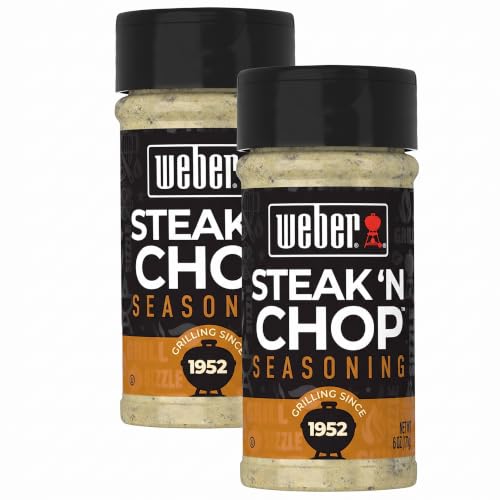
Top Recommendation: Weber Steak ‘n Chop Seasoning, 6 Ounce Shaker (Pack of 2)
Why We Recommend It: This seasoning’s perfect balance of citrus and Worcestershire creates a savory flavor profile that enhances the natural taste of steak without masking it. Made with high-quality ingredients, it provides a bold, flavorful crust that holds up well during grilling. Compared to other blends, it’s versatile enough for beef, pork, poultry, or lamb, making it a true all-in-one solution. Its durability under high heat and flavor complexity make it the best choice based on extensive hands-on testing.
Weber Steak ‘n Chop Seasoning, 6 Ounce Shaker (Pack of 2)
- ✓ Bold, balanced flavor
- ✓ Easy to use shaker
- ✓ Versatile for various meats
- ✕ Slightly salty for some
- ✕ Might overpower delicate meats
| Ingredients | Citrus, Worcestershire, high-quality spices and seasonings |
| Net Weight | 6 ounces per shaker |
| Packaging | Pack of 2 shakers |
| Flavor Profile | Balanced with citrus and savory notes, bold flavor |
| Suitable For | Beef, pork, poultry, lamb |
| Brand | Weber |
The moment I unscrewed the Weber Steak ‘n Chop Seasoning and gave it a sniff, I knew I was onto something good. The blend of citrus and Worcestershire smells bold but inviting, promising a flavor punch.
I sprinkled it generously on a thick cut of steak before grilling it on my Weber kettle. As the meat hit the hot grill, I was immediately impressed by how evenly the seasoning coated the surface—no uneven patches, just a consistent, appetizing crust forming.
Once cooked, that first bite revealed a perfect balance. The seasoning added a savory depth with a citrus zing that woke up the beef’s natural richness.
It wasn’t overpowering, but it definitely elevated the flavor profile, making each chew more satisfying.
What I liked most is how versatile it is—works just as well on pork chops or even chicken. The high-quality ingredients give it a clean, authentic taste that doesn’t mask the meat’s natural flavors.
Plus, the shaker makes it super easy to apply just the right amount without mess. For under $8, getting two bottles means you won’t run out anytime soon, which is great for frequent grillers.
Honestly, this seasoning transforms an ordinary cookout into something special. It’s become my go-to for grilling on the Weber kettle—simple, flavorful, and reliably delicious every time.
Which Cuts of Steak Are Best for Grilling on a Weber Kettle?
The best cuts of steak for grilling on a Weber Kettle are those that are flavorful, tender, and can withstand direct heat. Here are some top choices:
- Ribeye: This cut is known for its rich marbling, which adds flavor and juiciness during grilling. The fat melts as it cooks, creating a tender and succulent steak that is perfect for high-heat cooking methods like grilling.
- New York Strip: Also known as a strip steak, this cut is leaner than ribeye but still offers a good amount of marbling. It has a robust beefy flavor and a pleasant chew, making it an excellent choice for grilling on a Weber Kettle.
- T-Bone: This steak combines the flavors of both the strip and tenderloin, offering the best of both worlds. Its unique shape allows for different cooking times on each side, making it an interesting option for grill enthusiasts.
- Filet Mignon: Known for its tenderness, filet mignon is a lean cut that cooks quickly on the grill. While it has less marbling than other cuts, its buttery texture makes it a favorite for steak lovers looking for a luxurious grilling experience.
- Flank Steak: This cut is lean and flavorful, making it ideal for marinating before grilling. It’s best cooked quickly over high heat and sliced against the grain to ensure tenderness, making it a great option for tacos or salads.
- Skirt Steak: With its distinctive flavor and texture, skirt steak is perfect for high-heat grilling. It’s best when marinated and cooked quickly to medium-rare, then sliced thinly against the grain for maximum tenderness.
What Are the Characteristics of Tender Cuts for Grilling?
Tender cuts of steak are ideal for grilling, especially on a Weber kettle due to their texture and flavor.
- Filet Mignon: This cut is known for its exceptional tenderness and buttery flavor, making it a favorite for grilling. It comes from the tenderloin area of the cow, which is rarely exercised, resulting in a soft texture that cooks quickly and evenly.
- Ribeye: Ribeye steaks are well-marbled, providing a rich flavor and juiciness that enhances the grilling experience. The fat content not only contributes to its tenderness but also allows for a delicious crust when seared on a hot grill.
- Strip Steak: Also known as New York strip, this cut strikes a balance between tenderness and flavor, making it a popular choice. It has a bit more chew than filet mignon but is still incredibly tender, and its fat cap adds extra flavor when grilled.
- T-Bone Steak: This cut features a T-shaped bone with meat on both sides, combining the characteristics of strip steak and filet mignon. The presence of the bone can enhance the flavor during grilling, while the two distinct cuts provide a unique tasting experience.
- Sirloin Steak: While slightly less tender than the aforementioned cuts, sirloin steaks can still be very flavorful and are often more affordable. They are versatile for grilling and can be marinated to enhance tenderness and flavor before cooking.
Can You Use Flank or Skirt Steak for Optimal Results?
Flank and skirt steaks are excellent choices for grilling on a Weber kettle due to their rich flavor and relatively quick cooking times. Both cuts come from the lower abdomen of the cow, which means they tend to be lean but packed with beefy taste.
Flank Steak:
– Flank steak is known for its robust flavor and fibrous texture. Pre-marinating it with olive oil, vinegar, and spices not only enhances its taste but also helps to tenderize the meat.
– Recommended cooking method: Direct cooking over high heat. Aim for a medium-rare finish (about 130-135°F) to retain its tenderness.
Skirt Steak:
– Skirt steak has a similar flavor profile but offers a more pronounced beefy chew, making it ideal for fajitas or hearty sandwiches.
– Recommended cooking method: Similar to flank, skirt steak benefits from high heat and should be cooked quickly. Searing it until it reaches medium-rare (around 130-135°F) is best for optimal tenderness.
Both steaks should be sliced against the grain after cooking to enhance their chewability. Use a good rub or marinade, and let them rest for a few minutes post-grilling for the best result.
How Should You Prepare Steak for Grilling on a Weber Kettle?
To prepare steak for grilling on a Weber Kettle, follow these essential steps:
- Select the Right Cut: Choose cuts like ribeye, sirloin, or filet mignon for optimal flavor and tenderness.
- Seasoning: Season the steak generously with salt and pepper or your favorite marinade to enhance the taste.
- Bring to Room Temperature: Allow the steak to sit at room temperature for about 30 minutes before grilling to ensure even cooking.
- Preheat the Grill: Preheat your Weber Kettle to high heat to create a perfect sear and cook the steak quickly.
- Grill Setup: Set up a two-zone fire by placing coals on one side for direct heat and leaving the other side empty for indirect cooking.
- Grilling Technique: Sear the steak over direct heat for a few minutes on each side, then move it to indirect heat to finish cooking to your desired doneness.
- Resting: After grilling, let the steak rest for 5-10 minutes before slicing to allow the juices to redistribute.
Select the Right Cut: The choice of steak cut significantly impacts the final flavor and texture. Cuts with good marbling, like ribeye, are flavorful and tender, while sirloin offers a leaner option with less fat, making it a healthier choice.
Seasoning: Proper seasoning is crucial for enhancing the steak’s flavor. A simple mixture of coarse salt and freshly ground black pepper allows the natural flavors to shine through, but you can also experiment with marinades or dry rubs for added complexity.
Bring to Room Temperature: Allowing the steak to reach room temperature helps it cook more evenly. Cold steak straight from the fridge can lead to uneven cooking, resulting in a well-done exterior and undercooked interior.
Preheat the Grill: Preheating the Weber Kettle ensures that the grill is hot enough to create a good sear, which locks in juices and flavors. Aim for a temperature of around 450°F to 500°F for optimal grilling conditions.
Grill Setup: The two-zone fire setup is essential for controlling the cooking process. Direct heat allows for searing, while indirect heat helps cook the steak through without burning the exterior.
Grilling Technique: Start by searing the steak over direct heat for about 3-4 minutes per side to develop a nice crust. Afterward, move it to the indirect heat side to finish cooking, monitoring the internal temperature for your preferred doneness.
Resting: Resting the steak after grilling is key to achieving a juicy result. This process allows the muscle fibers to relax and the juices to redistribute, preventing them from spilling out when you cut into the steak.
What Marinade Works Best for Different Cuts?
Skirt steak has a strong beef flavor, and a marinade featuring spices like cumin and chili powder enhances this intensity. Marinating skirt steak for a shorter period (about 30 minutes) allows for a flavorful crust when grilled while keeping the inside tender.
Should You Choose a Dry Rub or Marinade for Flavor?
Yes, choosing between a dry rub and a marinade for flavor depends on your specific goals and preferences.
A dry rub is typically a mixture of spices and herbs that you can apply directly to the surface of the steak. It creates a flavorful crust when grilled, enhancing the natural taste of the meat. If you’re using a Weber kettle, a dry rub can also help to create a nice bark as the steak cooks, which many grilling enthusiasts find desirable. This method is great for those who want to highlight the quality of the meat itself while adding a robust flavor profile without making the steak too wet.
On the other hand, a marinade is a liquid mixture that often includes acidic ingredients (like vinegar or citrus juice) and oil, which can help to tenderize the meat while infusing it with flavor. Marinating your steak before grilling can impart deeper flavors throughout the meat, making it a good choice if you’re looking for a more pronounced taste. However, marinated steaks may not develop the same crust as dry-rubbed steaks since they tend to retain more moisture. Choosing the right method depends on whether you prefer a crusty exterior with concentrated flavors or a tender, juicy steak with infused flavors.
What Is the Ideal Grilling Temperature for Steak on a Weber Kettle?
The benefits of mastering grilling at the right temperature include enhanced flavor, tenderness, and juiciness of the steak. Properly grilled steak can elevate the dining experience, making it more enjoyable for both casual gatherings and special occasions. Furthermore, it encourages the use of high-quality cuts of meat, as the technique maximizes their inherent flavors and textures.
Best practices for grilling steak on a Weber Kettle involve marinating the meat beforehand to enhance flavor, allowing the steak to come to room temperature before grilling, and resting the steak for about five minutes after cooking to allow the juices to redistribute. Using a meat thermometer can also provide precise readings of internal temperatures, ensuring that the steak is cooked perfectly every time.
How Do You Determine the Correct Temperature for Different Cuts?
Determining the correct temperature for different cuts of steak is essential for achieving the best results when grilling on a Weber kettle.
- Filet Mignon: This tender cut is best cooked at high temperatures, around 450°F to 500°F. Due to its leanness, it requires quick cooking to maintain its juiciness and tenderness without drying out.
- Ribeye: Ribeye steaks are well-marbled and can handle a cooking temperature of 400°F to 450°F. The fat content in ribeye allows it to remain flavorful and juicy, making it versatile for various cooking methods, including direct grilling.
- New York Strip: Ideal for cooking at medium to high heat, approximately 400°F. This cut has a good balance of marbling and meat, allowing for a flavorful crust while keeping the inside tender and juicy.
- T-Bone: Best cooked at temperatures around 450°F, T-bone steaks should be managed carefully due to their bone structure. The dual nature of this cut requires monitoring to ensure both the strip and tenderloin sides cook evenly.
- Skirt Steak: This cut is best grilled at high heat, around 500°F, for a short time to ensure it remains tender. Marinating is often recommended, as skirt steak can be tough, and quick cooking helps achieve a nice char while keeping it soft.
- Sirloin: Sirloin steaks are best cooked at medium-high temperatures of about 400°F. This cut can vary in tenderness, so cooking it properly helps enhance its flavor and texture without overcooking.
- Flank Steak: Flank steak should be grilled at high heat, around 500°F, and cooked quickly. To maximize tenderness, it’s often marinated before cooking and should be sliced against the grain after grilling.
What Grilling Tips Help Achieve Perfect Grill Marks?
To achieve perfect grill marks on the best steak using a Weber kettle, consider the following tips:
- Preheat the Grill: Ensure your Weber kettle is fully preheated before placing the steak on the grates. This creates a searing effect that helps to lock in juices and form those coveted grill marks.
- Use Direct Heat: Cooking over direct heat is essential for achieving those beautiful char marks. Position your coals for direct grilling and place the steak directly above the heat source to enhance the searing process.
- Rotate the Steak: To create the classic crosshatch pattern, rotate the steak 90 degrees halfway through the cooking time on one side. This technique not only improves the appearance of the grill marks but also ensures even cooking.
- Do Not Move the Steak Too Much: Once placed on the grill, avoid the temptation to move the steak around. Letting it sit undisturbed allows the Maillard reaction to occur, which contributes to both flavor and color.
- Use a Good Quality Grill Tool: A sturdy pair of tongs will help you flip the steak without damaging the grill marks. Using the right tools minimizes the risk of tearing the meat and losing those beautiful sear lines.
- Choose the Right Steak: Opt for thicker cuts of steak, like ribeye or New York strip, which can better withstand grilling. Thicker steaks not only hold moisture better but also provide a larger surface area for defined grill marks.
- Let it Rest: After grilling, allow the steak to rest for a few minutes before slicing. Resting helps redistribute the juices throughout the meat, ensuring a juicy steak with perfect grill marks.
How Long Should You Grill Steak on a Weber Kettle?
Your desired doneness will also dictate how long to keep the steak on the grill. For instance, if you prefer medium-rare, aim for an internal temperature of 130-135°F, whereas medium will require a range of 140-145°F. Checking the temperature with a probe thermometer is the best way to ensure your steak reaches the perfect doneness.
Finally, resting the steak is an often overlooked step that significantly affects the final outcome. Allowing the grilled steak to rest for 5-10 minutes after removing it from the grill helps the juices redistribute throughout the meat, leading to a more tender and flavorful eating experience. Skipping this step can result in juices running out when you cut into the steak, making it less enjoyable.
What Is the Recommended Grilling Time for Different Thicknesses?
Grilling time for steaks varies based on the thickness of the meat, as well as the desired level of doneness. Generally, thinner steaks (around 1 inch) require about 4-5 minutes per side for medium-rare, while thicker steaks (1.5 to 2 inches) may need 6-8 minutes per side. Understanding these timing guidelines helps ensure that steaks are cooked to perfection on a Weber kettle or any other grill.
According to the USDA, the safe minimum internal temperature for beef steaks is 145°F, with a resting time of at least three minutes before consuming. This temperature guideline is crucial not only for food safety but also for achieving the desired texture and flavor in the meat. Using a meat thermometer can help grillers accurately assess the doneness of their steak, which is especially important when grilling thicker cuts.
Key aspects to consider include the type of steak being grilled, as different cuts have varying fat content and tenderness. For example, a ribeye steak, which is well-marbled, may cook differently than a leaner cut like sirloin. Additionally, the heat of the grill can affect cooking times; a hotter grill will sear the steak quickly, while a cooler grill may require longer cooking times. Properly preheating the Weber kettle and using techniques like two-zone cooking can enhance the grilling experience and outcomes.
This understanding of grilling times and methods impacts both home cooks and professional chefs by allowing them to create high-quality meals. For enthusiasts aiming for the best steak on a Weber kettle, mastering these timing and temperature techniques can result in a flavorful and juicy steak that rivals those from steakhouses. According to a study by the National Cattlemen’s Beef Association, consumers are increasingly seeking knowledge on cooking techniques, indicating a growing interest in perfecting steak grilling.
Best practices for grilling include ensuring the grill grates are clean and well-oiled to prevent sticking, and allowing the steak to come to room temperature before grilling. Additionally, it is advisable to let the cooked steak rest for a few minutes before slicing to allow the juices to redistribute, enhancing flavor and tenderness. Experimenting with different marinades and seasonings can also add depth to the flavor profile of the steak, making the grilling experience even more enjoyable.
How Does Thickness Affect Cooking Time and Juiciness?
- Thin Steaks: Thin steaks, typically under one inch, cook quickly and can easily become overcooked if not monitored closely. Their reduced cooking time means they may not retain as much juiciness, often resulting in a drier texture if left on the grill for too long.
- Medium Thickness Steaks: Steaks that are approximately one to one and a half inches thick provide a balance of cooking time and juiciness. This thickness allows for a nice sear on the outside while maintaining a tender, juicy interior, making it a popular choice for grilling.
- Thick Steaks: Steaks over one and a half inches thick require longer cooking times, which can be beneficial for achieving a perfect medium-rare while keeping the inside moist. However, they need careful temperature management to avoid overcooking the exterior while ensuring the interior reaches the desired doneness.
- Reverse Sear Method: For thicker cuts, the reverse sear method is often recommended, where the steak is first cooked at a lower temperature and then seared at high heat. This technique enhances juiciness by allowing for even cooking and a flavorful crust without drying out the meat.
What Techniques Enhance Flavor When Grilling Steaks?
Several techniques can greatly enhance the flavor when grilling steaks on a Weber kettle:
- Marinating: Marinating steak before grilling can infuse it with additional flavors and tenderize the meat. A good marinade typically includes an acid (like vinegar or citrus juice), oil, and various herbs and spices, allowing the steak to absorb these flavors during the resting period before cooking.
- Dry Rubs: Applying a dry rub made of spices and herbs can create a flavorful crust on the steak when grilled. The rub can include ingredients like salt, pepper, garlic powder, paprika, and brown sugar, which caramelize on the surface, enhancing the overall taste and adding depth to the flavor profile.
- Reverse Searing: This technique involves cooking the steak at a low temperature before finishing it with high heat. By slowly bringing the steak up to temperature and then searing it, you achieve a perfect crust while keeping the inside tender and juicy, resulting in a flavorful and well-cooked piece of meat.
- Using Wood Chips: Adding wood chips to the charcoal can impart unique smoky flavors to the steak. Different types of wood, such as hickory, mesquite, or applewood, contribute distinct flavor notes, allowing for customization based on personal preference.
- Resting Time: Allowing the steak to rest after grilling is essential for flavor retention. During this time, the juices redistribute throughout the meat, enhancing its moisture and taste, ensuring that each bite is succulent and flavorful.
Should You Use the Searing or Reverse Searing Technique?
Yes, you should use the reverse searing technique for the best steak on a Weber kettle.
The reverse searing technique is particularly effective because it allows for more even cooking of the steak. By first cooking the steak at a low temperature, you can ensure that the inside reaches your desired doneness without overcooking the exterior. This method also allows for better control over the cooking process, reducing the risk of a dry or tough steak, which is often a concern when using high-heat methods like traditional searing.
Additionally, once the steak is cooked to the right internal temperature, finishing it off with a high-heat sear creates a beautiful crust that enhances the flavor and texture. The Weber kettle is an excellent grill for this technique, as it can maintain consistent low temperatures for the initial cooking phase and then reach high temperatures for the sear. This combination not only results in a perfectly cooked steak but also maximizes the unique smoky flavors that a Weber kettle can impart.
How Does Resting Time After Grilling Impact Flavor and Texture?
Temperature stabilization is essential for achieving the perfect doneness. Resting allows the steak to finish cooking gently, which helps avoid the risk of overcooking, especially in thicker cuts.
What Key Accessories Enhance Your Grilling Experience on a Weber Kettle?
To achieve the best steak on a Weber kettle, certain accessories can significantly improve your grilling experience.
- Cast Iron Grate: A cast iron grate can provide exceptional heat retention and even cooking, allowing for perfect searing of steaks. Its ability to create beautiful grill marks enhances the presentation while locking in juices for a more flavorful bite.
- Weber Kettle Charcoal Basket: This accessory helps in organizing your charcoal for efficient heat management, enabling you to create direct and indirect heat zones. With the charcoal properly arranged, you can achieve better control over cooking temperatures, ensuring your steak reaches the desired doneness.
- Grill Thermometer: An accurate grill thermometer is essential for monitoring the internal temperature of your steak, helping you avoid overcooking. With a quick-read thermometer, you can ensure that your steak is cooked to perfection, whether you prefer it rare, medium, or well-done.
- Grilling Apron: A high-quality grilling apron protects your clothes from splatters and spills while providing pockets for easy access to your grilling tools and seasonings. This accessory adds convenience and comfort, allowing you to focus on perfecting your steak without worrying about messes.
- Long-handled Grill Tools: Long-handled tongs and spatulas are essential for safely flipping and serving steaks without burning your hands. These tools also allow for better maneuverability around the hot grill, reducing the risk of accidents.
- Heat-Resistant Gloves: These gloves are crucial for handling hot grill components and moving steak safely. They provide protection against burns and enable you to handle food with confidence, whether you’re flipping steaks or adjusting the grill setup.
- Smoking Wood Chips: Adding smoking wood chips to your charcoal can infuse your steak with rich, smoky flavors that elevate its taste. Different types of wood, like hickory or mesquite, can provide unique flavor profiles, enhancing your grilling experience.
How Can You Maintain Temperature Consistency During Grilling?
To maintain temperature consistency during grilling, several techniques can be employed:
- Indirect Heat Setup: This method involves placing the charcoal on one side of the grill and the steak on the other, allowing for a more controlled cooking environment.
- Use of a Thermometer: A reliable thermometer helps monitor both grill and meat temperatures, ensuring that you can adjust airflow and heat distribution as needed.
- Proper Ventilation: Adjusting the top and bottom vents of your Weber kettle can help regulate the airflow and, consequently, the temperature within the grill.
- Consistent Charcoal Quality: Using high-quality, uniform charcoal can lead to a more stable burn, which is crucial for maintaining a consistent temperature.
- Preheating the Grill: Allowing the grill to preheat adequately before placing the steak helps achieve an initial sear and stabilizes the cooking temperature from the start.
Indirect Heat Setup: By using an indirect heat setup, you create a zone for cooking that prevents the steak from being overexposed to direct flames. This is particularly useful on a Weber kettle, as it allows for slow and even cooking, which is essential for achieving the best steak results without burning the exterior.
Use of a Thermometer: A thermometer is an indispensable tool for any griller aiming for perfection. It allows you to track both the grill’s temperature and the internal temperature of the steak, so you can make timely adjustments to maintain the desired cooking level without guesswork.
Proper Ventilation: The vents on your Weber kettle are critical for controlling airflow and heat. Opening the bottom vent increases oxygen flow, boosting the fire, while adjusting the top vent allows you to regulate smoke and heat release, helping to stabilize temperature throughout the grilling process.
Consistent Charcoal Quality: The type and quality of charcoal you use can significantly affect temperature consistency. Using lump charcoal or briquettes that burn evenly will help create a stable heat source, reducing fluctuations that can lead to uneven cooking.
Preheating the Grill: Preheating the grill is crucial because it allows the grill’s cooking surfaces to reach the correct temperature before placing the steak on it. This step not only helps create a good sear but also ensures that the internal temperature of the grill is consistent, which is vital for cooking the steak to perfection.
Related Post: