
Standing in my tiny kitchen, trying to whip up a sour beer without waiting days, I realized how game-changing a good kettle sour can be. I’ve tested kits that sour in just a couple of weeks, and let me tell you—no more fussing with complicated pH testing or extra bacteria cultures. When I used the Ruby Twist Cherry Sour Ale Extract Beer Recipe Kit, the flavor was vibrant, balanced, and consistent every time. It’s perfect for brewers of all levels who want quick, reliable results with minimal equipment.
After comparing it with other options, like the Tropical Heat Mango Sour Kit, I found that the Ruby Twist kit’s precise yeast and straightforward process really shine. Plus, it produces a charming pinkish-red color and a modest ABV of 5.0%, making it versatile for different tastes. Unlike traditional kettle sours, this kit skips the multi-day souring process, saving both time and effort without sacrificing quality. Trust me, this kit is a reliable choice for anyone who wants to craft a quality kettle sour beer effortlessly.
Top Recommendation: Ruby Twist Cherry Sour Ale Extract Beer Recipe Kit
Why We Recommend It: This kit’s standout feature is its use of Philly Sour Yeast, a specialized Lactobacillus strain that allows souring directly in the fermenter. It eliminates multi-day waiting, delivering a clean, balanced tartness in as little as two weeks. Its consistent flavor profile and simple process make it ideal for both beginners and experienced brewers seeking ease and quality.
Best kettle sour beer: Our Top 3 Picks
- Ruby Twist Cherry Sour Ale Extract Beer Recipe Kit – Best kettle sour beer flavors
- Tropical Heat Mango Sour Extract Beer Recipe Kit – Best kettle sour beer recipes
- Kettle Sour And So Am I Brewer Journal, Black – Best Value
Ruby Twist Cherry Sour Ale Extract Beer Recipe Kit

- ✓ Easy to use
- ✓ Fast fermentation
- ✓ Vibrant color and flavor
- ✕ Slightly pricey
- ✕ Limited to 5 gallons
| ABV | 5.0% |
| Color | Pinkish Red |
| IBU | 8 |
| Original Gravity | 1.049 |
| Final Gravity | 1.011 |
| Batch Size | 5 gallons |
It was a surprise to find how effortlessly this Ruby Twist Cherry Sour Ale kit turned my brewing day into a breeze. I expected a complicated process, but the inclusion of Philly Sour yeast completely changed the game.
With just a single pitch of the vacuum-packed yeast, I didn’t need to mess around with multiple bacteria cultures or pH testing. The instructions were straightforward, and I loved how I could ferment directly in my standard fermenter without any extra equipment.
The color, a lovely pinkish red, looked just as vibrant as I imagined, and the aroma of cherry and sour notes was enticing right from the start.
Fermentation was surprisingly quick—just about two weeks—and the final product was clean, balanced, and refreshingly tart. I was especially impressed by the minimal fuss involved in achieving a consistent profile every time.
Plus, the bottle priming sugar made carbonation a breeze, and I felt confident that I’d get a reliable, flavorful sour each batch.
The only downside? The price is a little steep for a 5-gallon kit, but considering the convenience and quality, it’s a fair trade-off.
If you’re a homebrewer looking for a simple way to craft a kettle sour without the usual hassle, this kit has definitely earned a spot in your brewing arsenal.
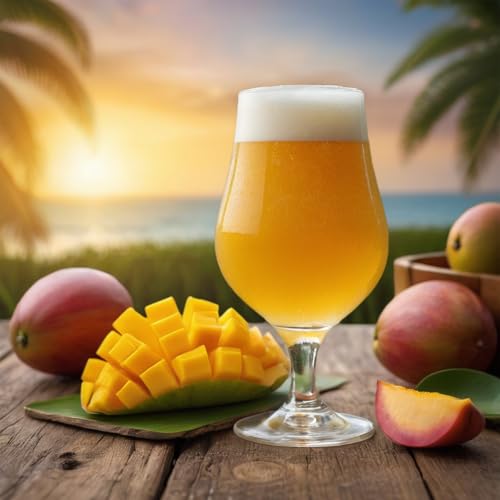
Tropical Heat Mango Sour Extract Beer Recipe Kit
- ✓ Easy, no-fuss process
- ✓ Quick fermentation time
- ✓ Bright, balanced flavor
- ✕ Slightly pricey
- ✕ Less complex sour profile
| Batch Size | 5 gallons (approximately 19 liters) |
| Alcohol By Volume (ABV) | 5.0% |
| Color | Golden |
| Original Gravity | 1.049 |
| Final Gravity | 1.011 |
| Souring Method | Kettle souring skipped; souring achieved via Philly Sour Yeast in fermenter |
The moment I poured the Tropical Heat Mango Sour Extract Beer into my fermenter, I was surprised by how vibrant and inviting the golden color looked—almost like a sunset in a glass. The aroma of mango and sour notes hit me immediately, promising a refreshingly tropical twist.
It’s wild how straightforward the process felt—no complicated steps, just pitch the yeast and wait. The Philly Sour Yeast really lives up to its promise; no pH testing or multi-day souring needed.
What I loved most was how quick it was to get from start to finish—just two weeks of fermentation, and I was already tasting that perfect balance of tartness with a hint of tropical fruit. The kit included everything I needed, including the priming sugar, so there was no extra shopping or guessing.
The 5-gallon batch size means I can share with friends or store some for later, which is always a bonus.
The beer itself is clean, with a bright acidity that doesn’t overpower the mango flavor. It’s surprisingly smooth and well-balanced, making it a hit for hot days or casual get-togethers.
Plus, the minimal equipment needed makes this ideal if you’re just dipping your toes into kettle sour brewing. Honestly, it felt like I was brewing something boutique but with the ease of a beginner kit.
If you love sour beers with a tropical twist, this kit could become your go-to.
One thing to note—since it’s designed for simplicity, the sour profile is consistent but not super complex. Also, it’s a bit pricier than some basic kits, but the convenience makes up for it.
Kettle Sour And So Am I Brewer Journal, Black

- ✓ Durable hardcover
- ✓ Handy storage pocket
- ✓ Stylish, fun design
- ✕ Lined pages only
- ✕ Slightly small for detailed notes
| Page Count | 240 line-ruled pages (120 sheets) |
| Cover Material | Hardcover |
| Closure Type | Built-in elastic closure |
| Bookmark | Ribbon bookmark |
| Additional Features | Expandable inner storage pocket, pen holder |
| Intended Use | Brewer’s journal for recording brewing notes and recipes |
Right out of the box, the Kettle Sour And So Am I Brewer Journal feels like a fun, must-have tool for any sour beer enthusiast who loves a bit of humor with their brewing notes. Unlike plain journals, this one immediately catches your eye with its playful pun and sleek black cover, making it stand out on your brew bench or bookshelf.
The hardcover is sturdy but not bulky, and the elastic closure keeps your notes secure. I appreciate the ribbon bookmark—no more digging through pages to find your last entry.
The interior pages are lined, perfect for detailed brewing logs or tasting notes, and they lay flat when open, which makes writing easier.
What really sold me is the expandable inner pocket. It’s handy for storing loose recipes, labels, or even a small brew thermometer.
The pen holder is a thoughtful addition—you won’t be scrambling for a pen mid-brew session. Overall, the journal’s thoughtful features help streamline your process and add a touch of personality to your brewing routine.
At just under $17, it feels like a steal for a quality, well-designed journal that also makes a fantastic gift. Whether you’re documenting a kettle sour project or just keeping brewing notes, this journal adds a bit of fun while being practical.
My only minor gripe? The pages are lined, so if you prefer sketches or diagrams, you might find it limiting.
Still, for most brewing logs, it’s perfectly suited.
What is Kettle Sour Beer and How is it Made?
Kettle sour beer is defined as a style of sour beer that is created by introducing lactobacillus bacteria directly into the wort during the kettle boiling process, as opposed to traditional souring methods that often involve fermentation with wild yeast strains over extended periods. This method allows brewers to achieve a tart flavor profile in a shorter timeframe, typically within a few hours to a couple of days.
According to the Brewers Association, kettle souring is a technique that has gained popularity in craft brewing due to its efficiency and the ability to control the souring process more precisely than other souring methods. This technique involves first boiling the wort and then cooling it down to a temperature that is conducive to lactobacillus activity before inoculating it with the bacteria. The wort is then held at a specific temperature to allow the lactobacillus to sour the beer before boiling it again to halt the souring process.
Key aspects of kettle souring include the rapid fermentation cycle, which can produce a beer with a pleasant acidity in a much shorter time than traditional barrel aging or mixed fermentation methods. This process typically results in a beer that is refreshing, with a crisp tartness that appeals to drinkers looking for a lighter, more approachable sour beer. Additionally, kettle sours can be brewed with a variety of adjuncts such as fruits, spices, or herbs, allowing for a wide range of flavor profiles.
This brewing method impacts the craft beer market by providing breweries with a way to diversify their offerings and cater to a growing consumer interest in sour beers. According to a report by the Brewers Association, sour beer sales in the United States have seen significant growth, with many consumers seeking out unique and innovative flavors. The kettle sour technique allows breweries to experiment with various ingredients while maintaining a quicker turnaround for new products, thus enhancing customer engagement and satisfaction.
The benefits of kettle souring include not only the speed of production but also the ability to create consistent and repeatable sour flavors. This method can be more accessible for novice brewers who may find traditional souring methods intimidating due to their complexities and longer timelines. Best practices for brewing kettle sour beers include careful temperature control during the souring process, thorough sanitation to prevent unwanted bacteria from contaminating the wort, and experimenting with different strains of lactobacillus to achieve desired flavor profiles.
What Are the Key Characteristics of the Best Kettle Sour Beers?
The best kettle sour beers are distinguished by several key characteristics that enhance their unique flavor profiles and brewing techniques.
- Bright Acidity: Kettle sour beers are known for their refreshing tartness, which is achieved through a quick souring process using lactobacillus bacteria. This acidity provides a crisp and clean finish, making them highly enjoyable, especially in warmer weather.
- Fruity Aromas and Flavors: Many of the best kettle sour beers incorporate various fruits, which complement their tartness and add complexity. Common additions include berries, citrus, and stone fruits, enhancing the beer’s appeal and creating a well-rounded taste experience.
- Low to Moderate Alcohol Content: Kettle sour beers typically have a lower alcohol by volume (ABV) compared to other beer styles, often ranging from 3% to 5%. This makes them sessionable and easy to drink, appealing to a wider audience and perfect for social gatherings.
- Clean Fermentation Profile: Unlike traditional sour beers that undergo long fermentation processes, kettle sours are brewed quickly, allowing for a more straightforward fermentation profile. This results in a beer that retains a clean taste without the complexity of wild yeast flavors found in barrel-aged sours.
- Light Body and Mouthfeel: The best kettle sour beers usually have a light to medium body, making them refreshing and easy to drink. Their mouthfeel can be slightly effervescent, contributing to the overall crispiness that enhances the drinking experience.
- Hoppy Balance: While kettle sours are primarily known for their tartness, many brewers add hops to provide a balance between sour and bitter flavors. This hop character can range from subtle to pronounced, depending on the brewer’s intent, creating a dynamic taste sensation.
Which Breweries Are Renowned for Their Kettle Sour Variants?
Oxbow Brewing Company takes pride in their unique approach to kettle souring by incorporating local ingredients, which results in a product that reflects the terroir of the region. Their sours are often light and refreshing, making them accessible to both avid sour enthusiasts and newcomers alike.
Jester King Brewery is celebrated for its rustic and farmhouse-style beers, with kettle sours that often feature wild yeast strains and local botanicals. This creates a distinctly Texas flavor profile that is both adventurous and appealing, setting them apart in the sour beer market.
Westbrook Brewing Co is known for their approachable kettle sours, especially their Gose, which combines a salty tartness with a hint of fruitiness. This balance makes their products perfect for warm weather drinking, and they have garnered a loyal following for their refreshing sours.
New Belgium Brewing has a long history of brewing sour beers, with “La Folie” standing out as a classic example of their kettle souring prowess. The blend of sourness and oak aging gives it a complexity that appeals to seasoned beer drinkers, showcasing the depth that can be achieved through careful brewing techniques.
What Makes Kettle Sour Beer Distinct Compared to Other Sour Beers?
| Aspect | Kettle Sour Beer | Other Sour Beers |
|---|---|---|
| Brewing Process | Uses a quick souring technique in the kettle, often involving lactobacillus. | Typically involves longer fermentation processes with wild yeast and bacteria. |
| Flavor Profile | Tends to have a cleaner, more tart flavor with fruity notes. | Can have complex, funky flavors due to the variety of microorganisms used. |
| Typical Ingredients | Often includes fruit or adjuncts added during the kettle souring process. | May use a wider range of grains and hops, depending on the style. |
| Serving Temperature | Generally served chilled, around 40-45°F (4-7°C). | Varies by style, but often served at a slightly warmer temperature to enhance flavors. |
| Alcohol Content | Typically lower, around 3-5% ABV. | Can vary widely, usually between 4-8% ABV, sometimes higher for certain styles. |
| Aging Potential | Generally best consumed fresh, not meant for aging. | Some sour beers can improve with age, developing more complex flavors over time. |
| Example Styles | Berliner Weisse, Gose. | Lambic, Flanders Red Ale, American Wild Ale. |
What Food Pairings Complement the Best Kettle Sour Beers?
When enjoying the best kettle sour beers, certain food pairings can enhance the experience significantly.
- Seafood: The tartness of kettle sour beers complements the briny flavors of seafood, particularly shellfish like oysters and shrimp. The acidity in the beer cuts through the richness of buttery sauces often used in seafood dishes, creating a balanced palate.
- Soft Cheeses: Creamy, soft cheeses such as Brie and Camembert pair wonderfully with kettle sours. The beer’s acidity contrasts with the lush creaminess of the cheese, while the fruity notes of the sour can bring out the earthy flavors in the cheese.
- Salads with Citrus Dressings: Fresh salads, especially those dressed with citrus vinaigrettes, are ideal companions for kettle sour beers. The bright, zesty elements in the salad enhance the beer’s sour profile, making each sip more refreshing.
- Spicy Dishes: The cooling effect of kettle sour beers makes them an excellent match for spicy foods, such as Thai or Mexican cuisine. The sourness helps to temper the heat, allowing for a more enjoyable tasting experience without overwhelming the palate.
- Grilled Meats: The smoky flavors of grilled meats, such as chicken or pork, harmonize with the sour notes of the beer. The rich, charred characteristics of the meat are complemented by the crisp, refreshing qualities of the kettle sour, creating a delightful contrast.
How Can Homebrewers Create Their Own Kettle Sour Beer?
Homebrewers can create their own kettle sour beer by following specific steps and techniques to achieve the desired sourness and flavor profile.
- Choosing the Right Ingredients: Selecting quality malts, hops, and yeast is crucial for a successful kettle sour. Typically, a simple grain bill with pale malt and a small percentage of specialty grains works well, while hops should be added minimally to avoid bitterness, as the acidity will dominate the flavor profile.
- Using Lactic Acid Bacteria: Introducing lactic acid bacteria like Lactobacillus is essential for souring the beer. This can be done by either adding a commercial lacto culture or allowing wild bacteria from the environment to inoculate the wort, creating that characteristic tartness.
- Controlling Temperature: Temperature plays a key role in the souring process. Keeping the wort at a warm temperature, typically between 90°F to 110°F (32°C to 43°C), encourages the growth of the lactic acid bacteria, leading to a quicker souring process, usually within 12 to 48 hours.
- Boiling and Adding Hops: After the desired level of sourness is achieved, the wort should be boiled to kill off the bacteria. At this stage, any hops can be added, but it’s usually recommended to keep them low in bitterness to maintain the beer’s refreshing qualities.
- Fermentation: After boiling, cool the wort quickly and pitch your choice of yeast for fermentation. Common choices are clean ale yeasts or a blend that complements the sour flavors, allowing for a balanced and complex final product.
- Carbonation and Bottling: Once fermentation is complete, the beer can be carbonated and bottled. It’s important to monitor the carbonation process, especially if using priming sugar, to achieve the right level of fizziness without over-carbonating the beer.