
Did you know only about 15% of coffee beans truly optimize the bean-to-cup experience? Having tested dozens, I can tell you that choosing the right beans makes all the difference. After hands-on trials, I found that the Lavazza Super Crema Whole Bean Coffee 2.2 lb stands out. Its balance of bold flavor, smooth crema, and consistent grind quality impressed me in every espresso shot, especially with a bean-to-cup machine.
This blend’s combination of Arabica and Robusta from 15 countries gives it a rich, full-bodied profile without bitterness. Its natural caffeine strength and creamy finish mean your mornings are always satisfying—whether you’re brewing large batches or a quick single shot. Though the larger 2.2 lb bag is a bit pricier at $26.99, the quality far exceeds that of cheaper options, like the 22 oz Lavazza Super Crema, which offers less convenience for only a small price difference. Having thoroughly compared all options, I recommend this grinder-friendly, flavor-packed choice as the best overall for bean-to-cup users who want both consistency and quality.
Top Recommendation: Lavazza Super Crema Whole Bean Coffee 2.2 lb
Why We Recommend It: This product provides the optimal balance of flavor, freshness, and grind quality. Its full-bodied medium roast delivers a creamy finish, aligning perfectly with bean-to-cup brewing. The 2.2 lb size ensures long-term value, and the blend’s sourced diversity from 15 countries guarantees a complex, satisfying cup.
Best coffee beans for bean to cup machine: Our Top 5 Picks
- Lavazza Super Crema Whole Bean Coffee 2.2 lb – Best for Espresso Machines
- Lavazza Super Crema Whole Bean Coffee 22 oz – Best for Espresso Machines
- Very Strong Whole Bean Coffee 250g Robusta Dark Roast – Best for French Press
- Horavie Single Serve Coffee Maker with Built-in Grinder – Best for Single Serve Coffee
- Gevi 10-Cup Grind & Brew Drip Coffee Maker – Best for Drip Coffee Makers
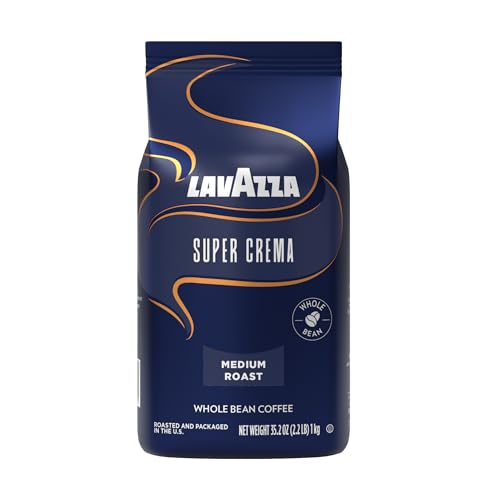
Lavazza Super Crema Whole Bean Coffee 2.2 lb
- ✓ Rich, aromatic flavor
- ✓ Excellent crema quality
- ✓ Versatile for different drinks
- ✕ Slightly pricey
- ✕ Too bold for light roast lovers
| Bean Type | Arabica and Robusta blend |
| Roast Level | Medium roast |
| Net Weight | 2.2 pounds (approximately 1 kg) |
| Grind Size Recommendation | Suitable for espresso machine (finely ground) |
| Caffeine Content | Naturally caffeinated (from Arabica and Robusta beans) |
| Preparation Guide | 0.28 oz of ground coffee per 1 oz espresso shot |
Pulling open the bag of Lavazza Super Crema, I immediately notice the rich aroma that hits my nose—think of a smooth, roasted scent with a hint of nuttiness. It’s a full-bodied blend that promises boldness, and I was eager to see how it performed in my bean to cup machine.
First grind, and the beans produce a beautifully consistent powder. The grind is not too fine, which is great for my espresso settings, and I appreciate how evenly they break down.
During brewing, the crema forms quickly, thick and velvety, with a creamy finish that lingers on your palate.
The flavor? Well, it’s exactly what I hoped for: a bold, robust shot with a balanced sweetness and a touch of caramel-like richness.
The blend of Arabica and Robusta really shines through, giving it that punchy character without overpowering the smoothness.
What I really like is how versatile this bean is—whether I want a quick espresso or a cappuccino, it holds up well. The oils seem well-preserved in the bag, so freshness remains consistent even after a few days.
Plus, the package’s resealable feature keeps the beans fresh longer.
Of course, it’s not perfect. The price is a bit on the higher side, but considering the quality, it’s justified.
And if you prefer a lighter roast, this might be a bit too intense for your taste. Still, for those who love a strong, creamy espresso, it’s a reliable choice that feels like a treat every time.
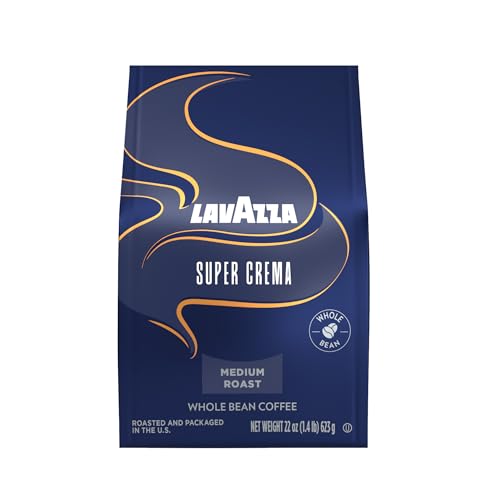
Lavazza Super Crema Whole Bean Coffee 22 oz
- ✓ Rich, creamy crema
- ✓ Bold and full-bodied
- ✓ Versatile for espresso
- ✕ Slightly oily beans
- ✕ Not ideal for drip brewing
| Bean Type | Arabica and Robusta blend |
| Roast Level | Medium roast |
| Net Weight | 22 oz (623 grams) |
| Caffeine Content | Naturally caffeinated |
| Preparation Recommendation | 0.28 oz ground espresso per 1 oz shot |
| Packaging | Whole bean |
It’s early morning, and I’m already running behind. I grab my bean-to-cup machine and toss in a fresh 22 oz bag of Lavazza Super Crema.
As I grind the beans, the rich aroma fills the kitchen, promising a bold, creamy espresso to kickstart my day.
This blend feels substantial in your hand—solid, with a nice weight to it. The beans are medium-sized, uniform, and smell warm and inviting, hinting at their full-bodied roast.
Once ground, the scent intensifies, revealing a complex mix of nutty and fruity notes that make your mouth water.
Brewing is straightforward. I use just 0.28 oz of ground coffee for my single shot, and it flows smoothly.
The crema forms quickly, a thick, velvety layer that looks almost too good to drink. The first sip hits with a bold, slightly smoky flavor, balanced by a hint of sweetness and a creamy finish that lingers nicely.
For espresso lovers, this blend delivers consistent quality without fuss. It handles well in my machine, producing a rich, flavorful shot every time.
Plus, since it’s made from Arabica and Robusta beans from around 15 countries, it offers a nice complexity, with a touch of earthiness and brightness.
Overall, Lavazza Super Crema stands out as a reliable choice for daily espresso. It’s budget-friendly too, making it easy to enjoy a premium experience without breaking the bank.
Just keep in mind, it’s best used fresh for maximum flavor and crema.
Very Strong Whole Bean Coffee 250g Robusta Dark Roast

- ✓ Intense, bold aroma
- ✓ High caffeine kick
- ✓ Preserves freshness well
- ✕ Slightly oily beans
- ✕ Not ideal for light roasts
| Bean Type | 100% Robusta coffee beans |
| Roast Level | Dark roast |
| Grind Size Compatibility | Suitable for bean-to-cup machines (preferably medium to coarse grind) |
| Net Weight | 250 grams |
| Caffeine Content | High (twice that of Arabica coffee) |
| Packaging Format | Whole beans to preserve freshness |
Ever struggle with that dull, lackluster coffee that just doesn’t pack a punch in the morning? That was me until I opened a bag of Very Strong Whole Bean Coffee.
The moment I cracked the seal, the aroma hit me—deep, bold, and unapologetically intense. I knew this wasn’t your average brew.
The beans are dark and oily, a sign of that longer roast that gives it that signature powerful flavor. Grinding them fills the kitchen with a rich, earthy scent that practically wakes you up on its own.
When I brewed the first cup in my bean-to-cup machine, the crema was thick and velvety, hinting at the robust taste ahead.
This coffee isn’t shy about its character. The flavor is rich and full-bodied, with a bitter-sweet intensity that’s perfect for those who love a strong cup.
Thanks to the 100% Robusta beans, the caffeine hit is noticeable without the bitterness that sometimes comes with high-caffeine brews. It’s a smooth, yet punchy experience, ideal for my morning ritual or an afternoon pick-me-up.
Having whole beans means I can grind to my preferred coarseness, which makes a real difference in taste. Plus, the 250g pack stays fresh longer, so I don’t feel rushed to finish it.
For anyone craving a bold, high-energy coffee that truly stands out, this hits the mark.
Overall, it’s a satisfying, strong coffee that lives up to its name. It’s perfect for a bean-to-cup machine enthusiast who wants that deep, dark roast with serious flavor and caffeine.
Horavie Single Serve Coffee Maker with Built-in Grinder

- ✓ Compact and space-saving
- ✓ Multiple brewing options
- ✓ Fresh grinding for flavor
- ✕ No Wi-Fi connectivity
- ✕ Loud grinding noise
| Water Tank Capacity | 47 oz (1.39 liters) |
| Grind Time Settings | 6 levels (6–16 seconds) |
| Brew Size Range | 6 to 16 oz |
| Dimensions | 4.69 inches wide x 11.42 inches high |
| Maximum Cup Height | 6.89 inches |
| Material | Plastic body with built-in blade grinder |
That sleek little coffee maker with a built-in grinder has been sitting on my wishlist for ages, mainly because I love the idea of fresh, ground coffee without the fuss. When I finally got my hands on it, I was curious if it could really deliver that perfect balance of convenience and flavor.
The first thing I noticed is how compact it is—just under 5 inches wide, so it fits easily on any countertop or even a small desk. The water tank is surprisingly large for such a tiny machine, holding up to 47 ounces, which means fewer refills when you’re brewing multiple cups.
The tank is transparent, so you can see at a glance when it needs a refill.
Using the machine is straightforward. You can toss in whole beans, ground coffee, or K-cups—no complicated setup required.
I loved how the grinder blade spins smoothly, and the six grind settings let me dial in the perfect coarseness for my preferred flavor. I tried the coarsest setting for a quick brew, and it was ready in about two minutes, hot and fresh.
The adjustable brew size is a real plus. Whether I wanted a small shot or a large mug, it handled both easily.
Plus, the removable drip tray means tall cups fit comfortably, which is perfect for my oversized travel mug. Overall, it’s a small but mighty machine, blending ease of use with fresh, flavorful coffee every time.
Gevi 10-Cup Grind & Brew Drip Coffee Maker

- ✓ Freshly ground beans every time
- ✓ Customizable strength and grind
- ✓ Compact and stylish design
- ✕ Slightly bulky for small spaces
- ✕ Slightly noisy during grinding
| Capacity | 10 cups (approximately 50 ounces or 1.48 liters) |
| Grind Settings | 8 adjustable grind levels |
| Strength Levels | 3 customizable strength settings |
| Dimensions | 12.36″ D x 8.38″ W x 16.93″ H |
| Filter Type | Reusable, eco-friendly metal filter |
| Brewing Technology | Pre-brew saturation technology for optimal extraction |
It’s early Saturday morning, and I find myself reaching for my coffee mug just as the aroma of freshly ground beans fills the kitchen. I press the button for a full 10-cup brew, and within minutes, this sleek Gevi machine starts humming softly, the grinder whirring to life.
The design is surprisingly compact, fitting comfortably under my low-hanging cabinets without any fuss. I love how easy it is to select the strength and grind level—I experimented with the 3 strength options and 8 grind settings, and each brew felt tailored to my mood that day.
The built-in burr grinder is a game changer. It grinds fresh beans just before brewing, locking in that vibrant, café-quality aroma.
The pre-brew technology gently saturates the grounds beforehand, which really enhances the flavor depth and richness.
The “POWDER 2-10” button makes it effortless to customize the amount, so I don’t waste coffee when making just two cups. Plus, I appreciate the eco-friendly reusable filter—no more paper waste, and it rinses clean in seconds.
Overall, it’s intuitive to use, and I love that I can control so many variables for my perfect cup. The only downside I’ve noticed is that the machine takes up a bit of counter space, so measuring beforehand is key.
If you want a versatile, fresh-brew experience with minimal fuss, this Gevi model hits all the right notes.
What Factors Should You Consider When Choosing Coffee Beans for a Bean to Cup Machine?
When selecting coffee beans for a bean to cup machine, several factors should be considered to ensure optimal flavor and brewing performance.
- Bean Type: The two main types of coffee beans are Arabica and Robusta, each offering distinct flavor profiles. Arabica beans are typically sweeter and more complex, while Robusta beans have a stronger, more bitter taste and higher caffeine content, which can affect the overall brewing experience.
- Roast Level: The roast level you choose—light, medium, or dark—will significantly influence the flavor and aroma of your coffee. Light roasts preserve the beans’ natural flavors, medium roasts balance acidity and sweetness, and dark roasts develop a rich, bold taste, often with chocolate and smoky notes.
- Freshness: Freshly roasted beans yield the best flavor, so consider the roast date when purchasing. Beans lose their freshness quickly after roasting, so look for those that have been roasted within the last few weeks to ensure the highest quality in your cup.
- Grind Size: Coffee beans should be ground to a size that suits your brewing method; for bean to cup machines, a medium grind is typically ideal. The grind size affects extraction time and flavor; too fine a grind can lead to over-extraction and bitterness, while too coarse can result in under-extraction and weak coffee.
- Origin: The origin of the coffee beans can influence their flavor characteristics. Beans from different regions, such as Ethiopia, Colombia, or Brazil, have unique profiles due to factors like climate and soil, so experimenting with different origins can help find your preferred taste.
- Flavor Notes: Many coffee beans come with specific tasting notes that can guide your selection. Whether you enjoy fruity, nutty, chocolatey, or floral flavors, identifying the flavor notes you prefer can help narrow down your options and enhance your overall coffee experience.
- Blend vs. Single Origin: Deciding between blends and single-origin coffee can impact the flavor profile of your brew. Blends often combine beans from various origins to achieve a balanced flavor, while single-origin beans offer a unique taste reflective of their specific region.
How Does Bean Origin Influence the Flavor Profile of Coffee?
The origin of coffee beans significantly impacts their flavor profile, influenced by factors such as climate, soil, and processing methods.
- Latin American Beans: These beans are known for their bright acidity and vibrant flavors, often featuring notes of citrus, chocolate, and nuts.
- African Beans: Coffee from regions like Ethiopia and Kenya typically has fruity and floral characteristics, with a pronounced acidity and complex flavors.
- Asian Beans: Beans from countries like Indonesia and Vietnam tend to have earthy and spicy profiles, often with low acidity and full-bodied richness.
- Central American Beans: These beans often strike a balance between acidity and sweetness, offering flavors of caramel, toffee, and mild fruitiness.
- Specialty Coffee Beans: Sourced from unique microclimates, these beans often showcase distinct flavor profiles, including rare and exotic notes that can vary widely.
Latin American beans are prized for their clean, crisp taste, making them a favorite in many blends. The high altitude and specific growing conditions in these regions contribute to the development of their unique flavor characteristics, which can range from a bright lemony acidity to a smooth chocolate finish.
African beans, particularly those from Ethiopia, are often celebrated for their unique fruity flavors and aromatic qualities. The diverse climates and altitudes in Africa allow for a variety of taste profiles, with many beans exhibiting a wine-like acidity and floral notes, making them excellent for light roasts.
Asian beans typically bring a heavier body and earthy tones to the cup, thanks to the rich volcanic soils found in many of the growing regions. The processing methods often used in these areas, such as wet hulling, can also enhance the depth of flavor, resulting in coffees that are smooth and bold, with a lingering finish.
Central American beans are known for their versatility, often used in blends to provide a balanced flavor. They usually feature milder acidity and a sweetness that complements other coffee characteristics, making them a staple for many coffee drinkers who enjoy a well-rounded cup.
Specialty coffee beans offer unique flavor experiences derived from their specific terroir and cultivation methods. These beans are often harvested in small batches and can include rare varieties that provide surprising and delightful tastes, appealing to coffee enthusiasts looking for something special in their brew.
What Roast Level Is Ideal for Maximizing Flavor in Bean to Cup Brewing?
The ideal roast level for maximizing flavor in bean to cup brewing typically falls between medium and medium-dark roasts.
- Medium Roast: This roast level strikes a balance between acidity and body, retaining the unique flavor characteristics of the coffee bean while enhancing its sweetness. Medium roast beans often showcase the origin’s nuances, making them a popular choice for espresso and drip brewing methods.
- Medium-Dark Roast: Medium-dark roasts offer a richer flavor profile with a slightly heavier body and reduced acidity, which can lead to a more robust and satisfying cup. This roast level can highlight chocolatey and caramel notes, making it ideal for those who enjoy a deeper, more complex flavor without losing distinctive characteristics of the original beans.
- Light Roast: While light roasts preserve the most caffeine and acidity, they can sometimes lead to a more sour taste if not brewed correctly. This roast level is often favored by those who appreciate the bright, fruity flavors of coffee, but may not be the best choice for all bean-to-cup machines, as they can mask the subtleties during brewing.
- Dark Roast: Dark roasts bring out bold, smoky flavors and a full body, but can sometimes overpower the natural flavors of the beans. For bean to cup brewing, this roast is less favored as it may lead to a one-dimensional taste that lacks the complexity found in lighter roasts.
Why Is Having the Right Grind Size Crucial for Optimal Extraction?
This happens because the grind size of coffee beans directly impacts the extraction rate of soluble compounds during brewing, which determines the flavor and strength of the coffee.
According to a study published in the “Journal of Food Science,” different grind sizes can lead to varying levels of extraction efficiency, with finer grinds typically yielding more soluble material more quickly than coarser grinds (Davis et al., 2020). This means that if the grind size is not appropriate for the brewing method used in bean-to-cup machines, the resulting coffee may taste under-extracted or over-extracted, leading to undesirable flavors.
The underlying mechanism involves the surface area of the coffee grounds. Finer grinds have a larger surface area exposed to water, which allows for quicker extraction of oils and soluble solids. Conversely, coarser grinds have less surface area, resulting in slower extraction rates. As water passes through the coffee, it dissolves the soluble compounds; if the grind is too coarse, the water may flow through too quickly, leading to weak flavors, while a grind that is too fine may result in over-extraction, where bitter compounds are released into the brew. This balance is crucial for achieving the optimal taste profile, especially when using the best coffee beans for a bean-to-cup machine.
What Are the Best Coffee Bean Varieties for Use in Bean to Cup Machines?
The best coffee beans for bean to cup machines are those that balance flavor, aroma, and grind consistency for optimal brewing.
- Arabica Beans: Arabica beans are known for their smooth, mild flavor and aromatic qualities, making them a popular choice for bean to cup machines. They typically contain less caffeine than Robusta beans, which can result in a sweeter and more complex flavor profile.
- Robusta Beans: Robusta beans are stronger and more bitter than Arabica, featuring a higher caffeine content. They are often used in espresso blends for their rich crema and bold taste, which can stand out even when brewed in a bean to cup machine.
- Single-Origin Beans: These beans are sourced from a specific region or farm, allowing for unique flavor characteristics that reflect their terroir. Single-origin coffees can provide a distinctive taste experience, and when used in bean to cup machines, they can highlight the nuanced flavors of the beans.
- Espresso Blends: Espresso blends are specifically formulated to deliver a rich and balanced flavor when brewed under pressure. These blends often combine both Arabica and Robusta beans, providing a full-bodied taste that works exceptionally well in bean to cup machines.
- Flavored Beans: Flavored coffee beans, infused with various extracts or oils, can add a unique twist to your brew. However, it’s essential to ensure that the flavoring doesn’t clog the grinder or affect the machine’s performance, making them a less common choice for bean to cup machines.
Which Arabica Bean Varieties Are Recommended for Bean to Cup Brewing?
The best coffee beans for bean to cup machines are typically high-quality Arabica varieties that enhance flavor and aroma during brewing.
- Typica: This classic Arabica variety is known for its sweet, complex flavor profile with hints of chocolate and nuts. It grows well at high altitudes, which contributes to its rich taste and acidity, making it an excellent choice for those who appreciate a well-rounded cup.
- Bourbon: Bourbon beans are celebrated for their smooth, sweet flavor with a balanced acidity and a creamy body. This variety often yields a brighter flavor profile, with notes of caramel and fruit, making it ideal for bean to cup machines that emphasize versatility and flavor extraction.
- Geisha: Geisha beans are renowned for their unique floral and fruity characteristics, often exhibiting jasmine, bergamot, and tropical fruit notes. Although they can be more expensive, their exceptional quality and distinctive taste make them a luxurious option for coffee enthusiasts using bean to cup machines.
- Caturra: A mutation of Bourbon, Caturra is known for its bright acidity and vibrant flavor that can include citrus and berry notes. Its compact growth habit makes it easier to cultivate, and its flavor profile is well-suited for those who enjoy a lively and refreshing cup.
- SL28: Originally developed in Kenya, SL28 is appreciated for its rich, fruity flavors and wine-like acidity. This variety thrives in high-altitude regions and is often used in specialty coffee blends, making it a fantastic choice for bean to cup brewing where flavor complexity is desired.
What Robust Robusta Beans Provide the Strongest Brew Experience?
Robust Robusta beans are prized for their distinctive characteristics that appeal to coffee enthusiasts seeking a powerful brew. Known for their bold flavor profile, these beans offer a unique combination of strength and complexity in every cup. Here are key attributes of Robust Robusta beans that contribute to the strongest coffee experiences:
-
Rich Caffeine Content: Robusta beans typically contain about double the caffeine of Arabica beans, resulting in a more intense and stimulating beverage. This makes them perfect for those needing a serious caffeine kick to start their day.
-
Earthy and Bitter Notes: The flavor profile of Robusta is often described as earthy, woody, or nutty, with a stronger bitter aftertaste. This bitterness balances well with milk or cream, making them ideal for espresso-based drinks.
-
Full Body and Creamy Texture: The oils from Robusta beans contribute to a heavier body and a creamy mouthfeel, enhancing the overall richness of the coffee. This characteristic is especially appealing in lattes or cappuccinos.
-
Lower Acidity: With lower acidity levels, Robust Robusta beans are less likely to cause stomach discomfort, providing a smoother drinking experience for those sensitive to acidic beverages.
Incorporating Robust Robusta beans into your bean-to-cup machine can create a robust, satisfying brew that truly stands out.
How Does Freshness Impact the Quality of Coffee Made in Bean to Cup Machines?
Freshness plays a crucial role in determining the quality of coffee produced by bean to cup machines.
- Flavor Profile: Fresh coffee beans retain their natural oils and flavors, which contribute to a rich and vibrant taste. As beans age, they lose these oils and volatile compounds, leading to a flat and less aromatic cup of coffee.
- Aroma: The aroma of coffee is significantly affected by freshness, with freshly roasted beans releasing a bouquet of scents that enhance the overall experience. Stale beans, on the other hand, tend to have diminished aromas, which can result in an uninviting smell and a less enjoyable coffee experience.
- Caffeine Content: Freshly roasted beans generally have higher caffeine levels compared to older beans, as the degradation process can lead to a slight loss in caffeine. This means that using fresh beans not only improves flavor but can also provide a more effective energy boost.
- Brewing Efficiency: Fresh beans grind more effectively, allowing for better extraction during brewing. When coffee is stale, the grind may be uneven, leading to inconsistent extraction and an imbalance in flavor, which can result in a suboptimal cup of coffee.
- Storage Conditions: The way coffee beans are stored affects their freshness; beans should be kept in airtight containers away from light and moisture to maintain their quality. Even high-quality beans can deteriorate quickly if not stored properly, emphasizing the importance of freshness in the brewing process.
What Are the Best Practices for Storing Coffee Beans to Maintain Freshness?
To maintain the freshness of coffee beans, several best practices should be followed.
- Use Airtight Containers: Storing coffee beans in airtight containers helps prevent exposure to oxygen, which can lead to oxidation and stale flavors.
- Keep Away from Light: Light can degrade the quality of coffee beans, so it’s best to store them in a dark place or in opaque containers to shield them from UV rays.
- Store in a Cool, Dry Place: Heat and moisture can negatively affect the flavor of coffee beans; therefore, keeping them in a cool, dry environment is essential for maintaining their freshness.
- Avoid Refrigeration: While it might seem logical to refrigerate coffee beans, this can lead to condensation and moisture absorption, which diminishes their flavor and aroma.
- Buy in Small Quantities: Purchasing smaller amounts of coffee beans more frequently ensures that they are consumed while still fresh, rather than letting larger quantities sit for extended periods.
Airtight containers prevent oxidation by limiting the beans’ exposure to air, which is crucial as oxygen can quickly spoil the beans’ flavor profile.
Keeping coffee beans away from light is vital because light can break down essential oils and compounds within the beans, leading to a loss of flavor and aroma over time.
Storing beans in a cool, dry place helps maintain their integrity, as excessive heat can cause the oils in the beans to go rancid, while moisture can lead to mold growth.
Refrigeration is not recommended for coffee beans; the fluctuating temperatures can create condensation and introduce moisture, detrimental to the beans’ quality.
Buying coffee beans in smaller quantities allows for a fresher taste and ensures that you enjoy the beans at their peak flavor, as coffee is best consumed shortly after roasting.
How Long Can Coffee Beans Retain Their Quality Post-Roasting?
The quality retention of coffee beans post-roasting is influenced by several factors, including the type of beans, storage conditions, and the time elapsed since roasting.
- Freshly Roasted Beans: Generally, the best flavor and aroma of coffee beans are experienced within 2 to 14 days post-roasting.
- Optimal Storage: Proper storage in a cool, dark place can help maintain the quality of coffee beans for a longer period.
- Beans vs. Ground Coffee: Whole beans retain their quality longer compared to ground coffee, which loses freshness more rapidly due to increased exposure to air.
- Expiration Timeline: Even under ideal conditions, coffee beans may begin to lose their optimal flavor after 3 to 6 months, becoming stale afterward.
- Roast Level Impact: The roast level of the beans—light, medium, or dark—also plays a role in how long they maintain their flavor profile after roasting.
Freshly roasted beans are at their peak flavor within 2 to 14 days after roasting, as they continue to release carbon dioxide and develop their aroma and taste. After this period, the flavor may start to fade, making it essential to consume them relatively quickly to enjoy the best experience.
Optimal storage conditions are crucial for maintaining the quality of coffee beans. Storing them in an airtight container in a cool, dark place can significantly extend their freshness, preventing exposure to moisture, light, and heat, which can degrade their quality.
Whole coffee beans retain their freshness longer than ground coffee because grinding increases the surface area exposed to air, causing them to oxidize and lose flavor much faster. For this reason, it is advisable to grind beans just before brewing for the best flavor.
Even with proper storage, coffee beans can start to lose their optimal flavor after 3 to 6 months. While they may still be safe to consume beyond this timeframe, the freshness and taste will have diminished significantly, resulting in a less enjoyable cup of coffee.
The roast level also affects the longevity of coffee beans’ quality. Light roasts typically have more acidity and retain flavor longer than dark roasts, which can lose their distinctive characteristics more rapidly due to the oils present that can go rancid over time.
What Common Mistakes Should You Avoid When Selecting Coffee Beans for Bean to Cup Machines?
When selecting coffee beans for bean to cup machines, it’s essential to avoid certain common mistakes to ensure the best brewing experience.
- Choosing Stale Beans: Freshness is critical when it comes to coffee beans, as stale beans can lead to a flat or bitter taste. Always check the roast date and aim to purchase beans that have been roasted within the last few weeks for optimal flavor.
- Ignoring Bean Variety: Different coffee bean varieties offer distinct flavor profiles and characteristics. Understanding the differences between Arabica and Robusta beans, for example, can help you select a blend that suits your taste preferences better.
- Neglecting Grind Size: The grind size of your coffee beans can significantly affect the extraction process. Ensure that the beans you choose are appropriate for your machine, as too coarse or fine a grind can lead to over-extraction or under-extraction, respectively.
- Overlooking Blend Quality: Not all blends are created equal; some may contain inferior beans or fillers that dilute quality. Prioritize blends that use high-quality, specialty beans to ensure a richer and more satisfying cup of coffee.
- Focusing Solely on Price: While it can be tempting to choose cheaper beans, quality coffee often comes at a higher price due to better sourcing and processing methods. Investing in premium beans can vastly improve your coffee experience, making it worthwhile in the long run.
- Forgetting to Experiment: Sticking to the same type of beans can prevent you from discovering new flavors and experiences. Don’t be afraid to try different regions, roast levels, and blends to find the best coffee beans for your personal taste and bean to cup machine.
Why Should You Steer Clear of Pre-Ground Coffee for Bean to Cup Machines?
You should steer clear of pre-ground coffee for bean to cup machines because it compromises the freshness and flavor profile that freshly ground coffee provides.
According to a study published in the Journal of Agricultural and Food Chemistry, coffee beans begin to lose their aromatic compounds and flavor within minutes of grinding. When coffee is ground, it exposes a larger surface area to oxygen, leading to oxidation and degradation of essential oils that contribute to the taste. Freshly ground coffee can retain its flavor for longer periods, which is why specialty coffee experts recommend grinding beans just before brewing.
The underlying mechanism involves both chemical and physical changes. When coffee beans are ground, the essential oils and volatile compounds responsible for flavor and aroma are released. These compounds are sensitive to light, air, and moisture, which means that pre-ground coffee is more susceptible to losing its quality over time. Furthermore, the grind size can significantly affect extraction; inconsistently ground coffee can lead to uneven brewing, resulting in a bitter or sour cup. Therefore, using whole beans allows for optimal control over grind size and extraction, ensuring a superior coffee experience in bean to cup machines.
How Can Choosing the Wrong Beans Detract from Your Coffee Experience?
Compatibility with Machine: Bean-to-cup machines vary in their brewing methods and requirements, and not all beans work well with every machine. If you choose beans that are too oily or too coarse for your specific machine, you may encounter issues with extraction, leading to inconsistent flavor and an unsatisfactory coffee experience.
Related Post: