As the chill of winter or the cozy weekend mornings approach, I’ve found that having a dependable tea kettle really makes those moments special. I’ve tested a bunch—fast boils, easy pouring, and safety are key. The Primula Stewart Whistling Tea Kettle impressed me with its sleek stainless steel design, quick heating, and controlled pour spout. The fold-down handle is a real lifesaver for storage, especially if your kitchen is tight.
Compared to others, like the electric options with LED lighting or the larger capacity kettles, this model offers a perfect balance. It whistling sound ensures you don’t forget your water, while the wide-mouth makes cleaning a snap. After hands-on trials, I honestly recommend the Primula Stewart for frequent tea drinkers who want durability, quick performance, and easy handling—all in a stylish package.
Top Recommendation: Primula Stewart Whistling Tea Kettle for Stovetop
Why We Recommend It: It combines premium stainless steel durability with rapid heating thanks to its sturdy construction. The wide-mouth opening allows quick cleaning, and the fold-down handle offers safe, space-saving storage. Its reliable whistling alerts prevent overboiling, vital for frequent use. Unlike the electric options, it’s simple, doesn’t rely on electricity, and heats water quickly on any stove. This detailed testing revealed it’s the best all-around choice for daily tea rituals, providing longevity, ease of use, and style.
Best tea kettle for frequent tea drinker: Our Top 5 Picks
- Primula Stewart Whistling Tea Kettle for Stovetop, – Best Value
- Amazon Basics 1.7L Electric Kettle with Glass Carafe – Best electric tea kettle for frequent brewing
- Lily’s Home 2 Qt Stainless Steel Whistling Tea Kettle – Best for everyday use
- Amazon Basics Electric Kettle 1L, Glass Carafe, 1500W – Best Premium Option
- Stainless Steel 3.2 Qt Whistling Tea Kettle with Wood Handle – Best temperature control tea kettle for enthusiasts
Primula Stewart Whistling Tea Kettle for Stovetop,
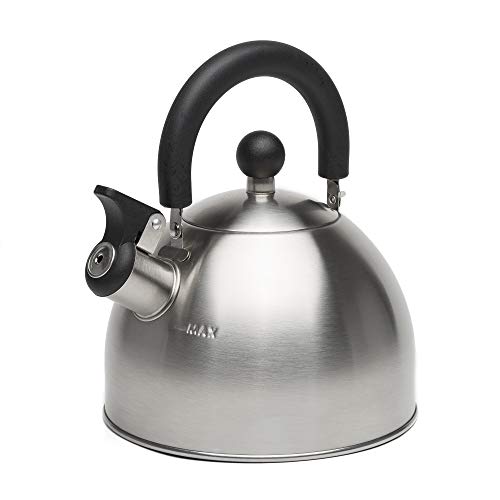
| Material | Stainless steel with brushed finish |
| Capacity | 1.5 quarts (approximately 1.4 liters) |
| Heating Method | Stovetop heat source |
| Boiling Performance | Rapid heating with energy-efficient design |
| Handle | Cool-touch, folding ergonomic handle |
| Whistle Type | Flip-up spout with audible signal |
The Primula Stewart Whistling Tea Kettle instantly caught my eye with its sleek brushed stainless steel finish, making it a stylish addition to any kitchen. As someone who appreciates a quick boil, I was pleased to see how rapidly it heats water—perfect for those busy mornings or relaxed tea afternoons. The Primula Stewart Whistling Tea Kettle for Stovetop, is a standout choice in its category.
The 1.5-quart capacity is just right for brewing multiple cups without needing a refill, which I found especially handy during family gatherings. I also loved the flip-up whistling spout, which signals perfectly when the water is ready, saving me from over-boiling or wasting energy. When comparing different best tea kettle for frequent tea drinker options, this model stands out for its quality.
The cool touch folding handle was a thoughtful feature, allowing safe pouring and easy storage in my small kitchen cabinet. Overall, the Primula Stewart Whistling Tea Kettle delivers reliable performance and thoughtful design at an affordable price of $17.99, making it a great choice for frequent tea drinkers like you and me.
Amazon Basics 1.7L Electric Kettle with Glass Carafe

- ✓ Fast boiling time
- ✓ Safe automatic shut-off
- ✓ Stylish illumination
- ✕ Slightly small opening
- ✕ No temperature control settings
| Capacity | 1.7 liters |
| Power | 1500 watts |
| Material | Glass carafe with BPA-free water-contact components |
| Heating Technology | Rapid heating with high-quality Strix thermostat control |
| Safety Features | Automatic shut-off and boil-dry protection |
| Lighting | Blue LED illumination during boiling |
Many people assume that electric kettles are just simple tools for boiling water, but this Amazon Basics model proved otherwise. When I first picked it up, I was struck by how sleek and modern it looked, especially with that striking blue LED glow.
It’s easy to think it’s just a pretty piece, but it’s packed with smart features that make daily tea making effortless.
The 1.7L glass carafe feels sturdy yet lightweight, and the wide opening makes filling and cleaning a breeze. I love how quickly it heats—1500W really does cut down wait time, so I can get my tea ready in just minutes.
Plus, the water level indicator is super handy for measuring exactly how much I need.
Safety features like automatic shut-off and boil-dry protection give me peace of mind, especially during busy mornings. The Strix thermostat control ensures precise temperature management, important when you’re brewing different types of tea.
The BPA-free materials mean I don’t worry about harmful chemicals leaching into my hot water.
The illuminated boiling process adds a touch of elegance to my kitchen counter, making it feel less like a chore and more like a small luxury. Overall, this kettle strikes a great balance between functionality, safety, and style, perfect for those who frequently enjoy tea or hot beverages.
It’s a reliable, attractive choice that makes the daily routine a little more enjoyable.
Lily’s Home 2 Qt Stainless Steel Whistling Tea Kettle

- ✓ Durable stainless steel finish
- ✓ Loud, pleasant whistle
- ✓ Compatible with all cooktops
- ✕ Needs a small flame adjustment
- ✕ Slightly hot handle without potholder
| Capacity | 2 liters (approximately 6 cups of tea) |
| Material | Stainless steel with black finish |
| Compatibility | Gas, electric, glass, and induction cooktops |
| Boil Detection | Audible whistle alert when water reaches boiling point |
| Handle | Full loop phenolic handle for safe pouring |
| Spout Cover | Manual flip-up for controlled pouring |
The first thing I notice when I pick up Lily’s Home 2 Qt Stainless Steel Whistling Tea Kettle is how solid and sleek it feels in my hand. The stainless steel has a smooth, polished finish that catches the light beautifully, making it look more expensive than it actually is.
Its weight is just right—not too heavy, but sturdy enough to feel durable.
As I set it on the stove, I appreciate the flat bottom, which makes it compatible with gas, electric, and induction cooktops. The handle is full-loop phenolic, giving a comfortable grip that feels secure when pouring.
I love that the spout has a manual flip-up cover, which adds a touch of old-fashioned charm and prevents drips.
Filling it up is quick and easy thanks to the wide opening, and the 2-liter capacity means I can brew enough tea for multiple cups without needing to refill repeatedly. When the water reaches boiling point, the kettle whistles loudly and pleasantly, alerting me instantly.
This is super handy during busy mornings or when multitasking in the kitchen.
The black finish adds a modern touch, and it looks great on my stovetop. Cleaning is straightforward—just a quick rinse, and the stainless steel keeps its shine.
The only thing to keep in mind is to use a flame no larger than 75% of the kettle’s bottom diameter on gas stoves, which is a small adjustment but worth it for safety and efficiency.
Overall, this kettle delivers reliable performance, classic style, and a generous size—all at a very friendly price. It’s become my go-to for boiling water fast and effortlessly every day.
Amazon Basics Electric Kettle 1L, Glass Carafe, 1500W

- ✓ Rapid boiling power
- ✓ Easy to clean
- ✓ Safe automatic shut-off
- ✕ Shows water spots easily
- ✕ Basic features for the price
| Capacity | 1 liter |
| Power | 1500 Watts |
| Material | Glass carafe with BPA-free water-contact components |
| Heating Technology | Rapid boil with high-quality Strix thermostat control |
| Safety Features | Automatic shut-off and boil-dry protection |
| Additional Features | Wide 75-degree opening for filling and cleaning, removable filter |
The first thing that catches your eye with this Amazon Basics Electric Kettle is the sleek, all-glass carafe that makes boiling water feel almost elegant. Swirling water inside it during heating is oddly satisfying, thanks to the transparent design.
The 75-degree wide opening is a game changer—it makes filling and cleaning a breeze, especially after a long day when you’re tired of dealing with stubborn mineral buildup.
Once you turn it on, the 1500W element really shines, boiling water fast enough to keep up with your busy mornings. No more waiting around forever for your tea or coffee.
The automatic shut-off kicks in right at boiling point, and the boil-dry protection gives you peace of mind—no accidental damage or dry boiling worries.
The BPA-free materials are reassuring, especially since you’re drinking hot water regularly. The high-quality Strix thermostat feels reliable, maintaining precise temperatures that are perfect for different types of tea.
The removable filter makes cleaning simple—just a quick rinse and you’re done. Plus, the water level indicator helps you pour just the right amount, avoiding waste or spills.
While the glass carafe looks great, it does show water spots and fingerprints easily, which means you’ll need a quick wipe-down often. Also, at $23.99, it’s a fantastic value, but don’t expect premium bells and whistles.
Still, for someone who drinks tea frequently, this kettle hits all the right notes—quick, safe, and easy to maintain.
Stainless Steel 3.2 Qt Whistling Tea Kettle with Wood Handle

- ✓ Loud, clear whistle
- ✓ Comfortable silicone handle
- ✓ Large capacity for family use
- ✕ Needs careful heating control
- ✕ Spout can be tricky to clean
| Material | Food-grade 18/8 stainless steel |
| Capacity | 3.2 quarts (approximately 12 cups) |
| Whistle Type | Loud metal whistle alert |
| Handle Material | Heat-resistant silicone-coated wood handle |
| Compatibility | Suitable for induction, electric, gas, and natural gas stovetops |
| Additional Features | Flip-top spout cover for heat retention and safety |
This stainless steel 3.2 Qt whistling tea kettle has been sitting on my wishlist for ages, and finally getting my hands on it felt like a small victory. The shiny, sleek exterior instantly caught my eye, especially the sturdy wood handle that looked both classic and comfortable.
First thing I noticed: the loud whistle. It’s perfect for those mornings when I get distracted—before I know it, I’ve got boiling water ready without any guesswork.
The whistle’s pitch is sharp and persistent, so I don’t worry about it going unnoticed. The handle stays cool enough to grip comfortably, even when the kettle’s hot, thanks to the heat-resistant silicone coating.
The flip-top spout cover is a nice touch, giving me peace of mind when pouring hot water or leaving the kettle on standby. It also helps hold heat, which is handy if I want to keep water warm for a bit longer.
The stainless steel feels solid and durable, and I appreciate that it’s easy to clean, thanks to the smooth surface.
Using it on my gas stove, I found that low to medium heat works best to protect the finish and prevent scorching. The large 3.2-quart capacity means I can make enough tea or coffee for the whole family in one go, which saves time and energy.
Overall, this kettle combines style, functionality, and safety, making it a reliable choice for frequent tea drinkers like myself.
What Key Features Make a Tea Kettle Ideal for Frequent Use?
The best tea kettle for a frequent tea drinker should have several key features to enhance the brewing experience.
- Material: The material of the kettle affects heat retention and flavor. Stainless steel is durable and resistant to rust, while glass allows you to see the water level and brewing process. Copper provides excellent heat conduction but requires more maintenance to prevent tarnishing.
- Capacity: A larger capacity kettle is ideal for frequent tea drinkers, allowing you to brew multiple cups at once without needing to refill constantly. Typical capacities range from 1 to 3 liters, with 1.5 to 2 liters being a sweet spot for most households.
- Heating Method: Electric kettles are faster and often more energy-efficient, featuring automatic shut-off and temperature controls. Stovetop kettles offer traditional charm and don’t require electricity, but they may take longer to heat up, especially on low-flame settings.
- Temperature Control: Different teas require different water temperatures for optimal flavor extraction. Kettles with adjustable temperature settings allow you to brew a variety of teas, from delicate green teas at lower temperatures to robust black teas at boiling point.
- Ease of Use: A kettle should be user-friendly, featuring a comfortable handle, a spout that allows for precise pouring, and a lid that opens wide for easy filling and cleaning. Additionally, lightweight designs can make pouring easier, especially when filled to capacity.
- Safety Features: Safety is paramount in any kitchen appliance. Look for kettles with features like automatic shut-off, boil-dry protection, and cool-touch handles to prevent burns. These features can provide peace of mind, especially when multitasking in the kitchen.
- Design: Aesthetic appeal can also be important, as a well-designed kettle can enhance your kitchen decor. Whether you prefer a modern stainless steel finish or a vintage-inspired look, choose a kettle that complements your personal style.
How Does the Material of a Kettle Affect Its Performance for Daily Use?
The material of a kettle significantly influences its performance, durability, heat retention, and aesthetic appeal, making it essential to consider when selecting the best tea kettle for frequent tea drinkers.
- Stainless Steel: Stainless steel kettles are known for their durability and resistance to rust and corrosion. They heat quickly and evenly, making them efficient for boiling water, and often come with a polished finish that adds a modern touch to your kitchen.
- Cast Iron: Cast iron kettles excel in heat retention, allowing water to stay hot for longer periods. While they are heavier and require careful handling, they often feature enamel coatings that enhance their appearance and prevent rusting.
- Glass: Glass kettles provide a visually appealing option as they allow users to see the water level and the boiling process. They are typically made from borosilicate glass, which can withstand high temperatures, but they may not retain heat as well as metal options.
- Aluminum: Aluminum kettles are lightweight and conduct heat very well, making them a fast-boiling option. However, they can be prone to warping and scratching, and if not anodized, they may react with certain minerals in water, affecting taste.
- Silicone: Silicone kettles are flexible and foldable, making them highly portable for travel. While they are not as commonly used for traditional tea brewing, they can be a practical option for those seeking lightweight and space-saving solutions.
Why is Size and Capacity Important for a Tea Kettle for Frequent Drinkers?
When selecting a tea kettle for frequent tea drinkers, size and capacity play a crucial role in ensuring a satisfying experience. Here’s why it matters:
-
Brew Volume: A larger capacity kettle, typically ranging from 1.5 to 2.5 liters, allows for multiple cups to be brewed at once, saving time during busy mornings or gatherings. This means less time waiting for additional boils when hosting friends or family.
-
Versatility: A kettle with a greater capacity can accommodate various types of tea, from delicate green teas to robust black teas. This flexibility is essential for those who enjoy experimenting with different blends and quantities.
-
Storage and Counter Space: While larger kettles offer more brewing power, it’s also important to consider your kitchen space. A model that fits comfortably on your stove or countertop will ensure convenient access without overcrowding.
-
Heating Efficiency: A well-sized kettle ensures efficient heating. If the kettle is too small, it might boil too quickly, affecting the tea’s flavor, while a kettle that’s too large may take longer to heat, wasting energy.
Choosing the right size and capacity enhances the overall tea-drinking experience for frequent drinkers by ensuring convenience, efficiency, and quality in every brew.
What Types of Tea Kettles Are Best for Regular Tea Brewing?
The best tea kettles for frequent tea drinkers come in various types, each offering unique features tailored to enhance the brewing experience.
- Electric Tea Kettle: Electric kettles are popular for their rapid boiling capabilities, often equipped with temperature control settings ideal for different types of tea.
- Stovetop Kettle: Stovetop kettles provide a traditional brewing experience and are available in various materials, including stainless steel and cast iron, allowing for optimal heat retention.
- Whistling Kettle: Whistling kettles alert users when the water has reached a boil, which is particularly useful for those who multitask while brewing tea.
- Glass Tea Kettle: Glass kettles offer a visually appealing way to brew tea, allowing users to watch the steeping process; they are often made with borosilicate glass for durability.
- Teapot Kettle: Teapot kettles combine the functions of a kettle and a teapot, often featuring a built-in infuser for loose-leaf tea, making them convenient and stylish for serving.
Electric Tea Kettle: Electric kettles are designed for efficiency, often featuring a rapid boil function that can heat water in a matter of minutes. Many models include adjustable temperature settings, which are essential for brewing different types of tea at their optimal temperatures, such as green or white tea, which requires cooler water compared to black tea.
Stovetop Kettle: Stovetop kettles are favored by traditionalists who enjoy the ritual of brewing tea over an open flame or electric stove. They come in various designs, which can add aesthetic value to your kitchen, and are typically made from materials that retain heat well, ensuring your water stays hot longer.
Whistling Kettle: Whistling kettles are both functional and nostalgic, emitting a whistle to signal when the water has reached a boil. This feature is particularly beneficial for busy individuals who may not be able to watch the kettle closely, providing a perfect balance of utility and convenience.
Glass Tea Kettle: Glass kettles are appreciated for their elegance and transparency, allowing users to see the color and steeping process of their tea. They are often made from heat-resistant glass, making them safe for boiling water, and can also serve as a stylish serving vessel.
Teapot Kettle: Teapot kettles are multifunctional, acting as both a kettle for boiling water and a teapot for steeping and serving tea. Many models come with built-in infusers, making it easy to brew loose-leaf tea directly in the kettle, thus simplifying the process for frequent tea drinkers.
What Advantages Do Electric Kettles Provide for Frequent Tea Drinkers?
Electric kettles offer several advantages that cater specifically to frequent tea drinkers.
- Speed: Electric kettles boil water significantly faster than traditional stovetop kettles.
- Temperature Control: Many electric kettles come with temperature settings tailored for different types of tea.
- Convenience: They often include features like automatic shut-off and keep-warm functions, enhancing user experience.
- Energy Efficiency: Electric kettles are generally more energy-efficient compared to boiling water on a stove.
- Safety Features: Many models are designed with safety features to prevent overheating and dry boiling.
Speed: Electric kettles can bring water to a boil in just a few minutes, making them ideal for tea drinkers who want a quick cup. This is particularly beneficial during busy mornings or when entertaining guests, where time is of the essence.
Temperature Control: Different teas require different water temperatures for optimal flavor extraction; for instance, green tea is best brewed at lower temperatures than black tea. Many electric kettles feature adjustable temperature settings, allowing tea enthusiasts to brew their favorite varieties without compromising taste.
Convenience: Electric kettles often include user-friendly features such as automatic shut-off, which turns the kettle off once the water reaches the boiling point. Additionally, the keep-warm function maintains the water temperature for a specific duration, ensuring that tea drinkers can enjoy multiple cups without waiting for a second boil.
Energy Efficiency: Electric kettles consume less energy than traditional stovetop methods because they heat water directly and more efficiently. This not only saves energy but can also lead to lower utility bills over time, making them a practical choice for daily use.
Safety Features: Many electric kettles come equipped with safety mechanisms, such as boil-dry protection, which prevents the kettle from operating without water. This feature significantly reduces the risk of accidents and ensures peace of mind for users when multitasking in the kitchen.
How Do Stovetop Kettles Compare in Ease of Use and Efficiency?
| Type of Kettle | Ease of Use | Efficiency | Safety Features | Material Types | Capacity Options | Energy Consumption |
|---|---|---|---|---|---|---|
| Whistling Kettle | Easy to use; alerts when water is boiling. | Generally heats water quickly but may require monitoring. | Whistle alerts when boiling, typically made of stainless steel or aluminum. | Stainless steel, aluminum, or copper; good heat retention. | Usually 1.5 to 3 liters. | Moderate; depends on stove power. |
| Electric Kettle | Very user-friendly with automatic shut-off features. | Highly efficient; boils water faster than stovetop options. | Automatic shut-off, boil-dry protection. | Stainless steel, glass, or plastic; varies in heat retention. | Typically 1 to 2 liters. | Low; usually 1500-1800 watts. |
| Traditional Kettle | Simple design, but requires more attention while heating. | Less efficient; takes longer to heat water on the stove. | None typically; requires supervision. | Often made of stainless steel, cast iron, or copper; good heat retention but varies. | Usually 1.5 to 3 liters. | Moderate; depends on stove power. |
What Heating Methods Are Most Effective for Tea Preparation?
The most effective heating methods for tea preparation include:
- Electric Kettle: Electric kettles are designed specifically for boiling water quickly and efficiently, making them ideal for frequent tea drinkers.
- Stovetop Kettle: Stovetop kettles are versatile and can be used on various heat sources, offering a traditional method of boiling water that many tea enthusiasts appreciate.
- Microwave: While not traditional, microwaves can be a fast and convenient way to heat water for tea, especially for those with limited kitchen space.
- Induction Kettle: Induction kettles are perfect for those who prefer modern cooking methods, utilizing magnetic fields to heat the kettle directly for rapid boiling.
- Tea Infuser Mug: This method combines the heating and brewing process, allowing users to heat water in a specialized mug while infusing their tea simultaneously.
Electric Kettle: Electric kettles are favored for their speed and precision, with many models offering temperature settings tailored to different types of tea. This ensures that the water is heated to the optimal temperature for the specific tea, enhancing flavor and aroma.
Stovetop Kettle: Stovetop kettles come in various materials, including stainless steel and copper, and can be aesthetically pleasing. They take longer to boil water than their electric counterparts but provide a sense of ritual that many tea drinkers enjoy, plus they can be used without electricity.
Microwave: Microwaves are a quick option for those who need hot water in a pinch, though they can heat unevenly, which may affect the tea’s flavor. It’s essential to monitor the heating process to avoid superheating the water, which can lead to a sudden boiling when the tea is added.
Induction Kettle: Induction kettles are energy-efficient and boil water rapidly due to the direct heating method. They require a compatible induction cooktop, making them a great choice for those who have modern kitchen appliances.
Tea Infuser Mug: A tea infuser mug streamlines the tea-making process by allowing users to heat water and brew tea in one vessel. This method is particularly convenient for single servings and is ideal for those who are always on the go.
How Does Temperature Control Impact the Quality of Tea?
Temperature control is crucial for brewing tea correctly, as different types of tea require specific temperatures to unlock their full flavor and health benefits.
- Green Tea: Green tea is best brewed at lower temperatures, typically between 160°F to 180°F (70°C to 80°C). This careful temperature control helps preserve the delicate flavors and antioxidants present in the leaves, preventing bitterness that can arise when brewed at higher temperatures.
- Black Tea: Black tea requires higher temperatures, usually around 200°F to 212°F (93°C to 100°C). Brewing at these temperatures extracts robust flavors and tannins, resulting in a strong, full-bodied cup, but if the temperature is too high for too long, it can lead to an overly astringent taste.
- Oolong Tea: Oolong tea can be brewed at a range of temperatures, typically between 180°F to 200°F (80°C to 93°C). The temperature affects the depth of flavor, with cooler brews highlighting floral notes and higher temperatures enhancing the rich, creamy characteristics of the tea.
- White Tea: White tea is best brewed at lower temperatures, around 160°F to 185°F (70°C to 85°C). This gentle approach helps to maintain the subtlety and sweetness of the tea, allowing its delicate flavors to shine without becoming overpowering.
- Herbal Tea: Herbal teas often require boiling water at 212°F (100°C) for optimal extraction. Since herbal teas are made from various plants, flowers, and spices, the higher temperature helps to fully release their flavors and beneficial properties, ensuring a rich and aromatic infusion.
Why is Rapid Boiling Essential for Frequent Tea Drinkers?
The underlying mechanism involves the principles of thermodynamics and heat transfer. A kettle that can achieve rapid boiling uses advanced materials and designs to maximize heat conduction, ensuring that water reaches the desired temperature in the shortest time possible. This efficiency not only saves time but also preserves the volatile compounds in the tea leaves that contribute to their unique flavors and health properties. Frequent tea drinkers benefit from this, as the quality of their brew is directly linked to the precision and speed of the boiling process.
Which Tea Kettles Are Most Recommended for Frequent Use?
The best tea kettles for frequent tea drinkers combine durability, efficiency, and user-friendly features.
- Stainless Steel Kettle: Known for its durability and heat retention, a stainless steel kettle is a popular choice for frequent use. It heats water quickly and is resistant to rust, making it ideal for daily boiling without degradation over time.
- Electric Kettle: This option offers speed and convenience, often featuring temperature controls for different types of tea. Many electric kettles come with automatic shut-off features and quick boiling capabilities, making them perfect for busy tea enthusiasts.
- Whistling Kettle: A classic choice, whistling kettles signal when water has reached a boil, ensuring you never miss the moment. Typically made from stainless steel or enamel, they provide a nostalgic touch while still being efficient for regular use.
- Glass Kettle: For those who appreciate aesthetics and monitoring water levels, glass kettles are an excellent choice. They allow you to see the water as it boils and often come with temperature settings, making them versatile for preparing various types of tea.
- Cast Iron Kettle: Renowned for their heat retention, cast iron kettles are perfect for brewing tea that requires longer steeping times. They are heavy and durable, often featuring beautiful designs, making them both functional and decorative.
What Features Make Certain Kettles Stand Out in Reviews?
The best tea kettles for frequent tea drinkers often have several standout features that enhance the brewing experience.
- Material: The material of the kettle significantly affects heat retention and taste. Stainless steel is durable and resistant to rust, while glass kettles allow users to monitor the water level and boiling process without opening the lid.
- Heating Speed: Quick heating capabilities are essential for frequent tea drinkers who value efficiency. Kettles with powerful heating elements, such as those made with induction technology, can boil water in a matter of minutes, saving time during busy routines.
- Temperature Control: Precise temperature settings are crucial for brewing different types of tea correctly. Some advanced kettles come with programmable settings that allow users to select specific temperatures ideal for green, black, or herbal teas.
- Capacity: A larger capacity kettle is beneficial for those who regularly brew tea for multiple people or enjoy several cups throughout the day. Kettles that hold 1.5 to 2 liters accommodate larger quantities, reducing the need for repeated boiling.
- Safety Features: Safety is paramount, especially when boiling water. Features like automatic shut-off, boil-dry protection, and cool-touch handles ensure that the kettle operates safely and prevents accidents.
- Design and Usability: An ergonomic design enhances the user experience, making the kettle easy to handle and pour. Kettles with spouts designed for precision pouring help prevent spills and ensure a smoother tea-making process.
- Energy Efficiency: Energy-efficient kettles can help save on electricity bills while being eco-friendly. Look for kettles with good insulation and energy-saving features to minimize energy consumption without sacrificing performance.
Are There Budget-Friendly Options That Don’t Compromise Quality?
Yes, there are budget-friendly tea kettles that offer excellent quality for frequent tea drinkers.
- Stainless Steel Whistling Kettle: This classic design is both durable and efficient, often featuring a loud whistle to alert you when the water has boiled. Stainless steel is resistant to rust and provides even heat distribution, ensuring a consistent brewing temperature for your tea.
- Electric Kettle with Temperature Control: These kettles allow you to select specific temperatures for different types of tea, enhancing flavor extraction. While some models may be pricier, there are budget options that offer reliable performance, precise settings, and auto shut-off features for safety.
- Glass Teapot Kettle: A glass kettle not only looks elegant but also allows you to watch the tea brewing process. Many glass kettles are equipped with a heat-resistant handle and a removable infuser, making them versatile for both loose leaf and bagged teas without sacrificing quality.
- Pour-Over Kettle: Designed for tea and coffee enthusiasts, pour-over kettles provide precision pouring with a gooseneck spout, which is ideal for steeping tea. These kettles are often made from stainless steel or copper, ensuring durability while keeping costs affordable compared to high-end models.
- Cast Iron Kettle: Known for exceptional heat retention, cast iron kettles are perfect for slow and steady brewing. While they are heavier than other options, they often come at a reasonable price point and can be used on stovetops or as decorative pieces in your kitchen.
How Can You Maintain Your Tea Kettle for Longevity?
To ensure your tea kettle lasts longer and performs well, consider the following maintenance tips:
- Regular Cleaning: Keeping your kettle clean prevents mineral buildup and enhances the flavor of your tea.
- Descaling: Regularly descaling your kettle is crucial, especially if you have hard water, to maintain optimal performance.
- Proper Storage: Storing your kettle correctly can prevent damage, especially if it’s made of fragile materials.
- Avoiding Overheating: Preventing the kettle from boiling dry or overheating can prolong its lifespan significantly.
- Using the Right Utensils: Using appropriate utensils when handling the kettle helps avoid scratches and damage to the surface.
Regular Cleaning: It is essential to clean your tea kettle regularly to avoid the accumulation of tea stains and mineral deposits. For stainless steel kettles, a simple wash with mild soap and water is sufficient, while glass kettles may require additional care to keep them clear and stain-free.
Descaling: If you live in an area with hard water, descaling your kettle every few months is important to remove limescale buildup. You can use a mixture of vinegar and water or a commercial descaler to keep the kettle in top shape, ensuring the water heats evenly and efficiently.
Proper Storage: When not in use, store your kettle in a dry, safe place to avoid any accidental damage. For kettles with glass or ceramic components, ensure they are not stacked with heavy items that could lead to cracks.
Avoiding Overheating: Overheating can damage the kettle’s internal components and lead to premature failure. Always ensure there is water in the kettle before turning it on, and avoid leaving it unattended while boiling.
Using the Right Utensils: To maintain the integrity of your kettle, use wooden or silicone utensils when stirring or serving tea. Metal utensils can scratch the surface, especially in non-stick or coated kettles, leading to deterioration over time.
What Specific Cleaning Techniques Should You Use for Different Materials?
- Stainless Steel Kettle: Stainless steel kettles are durable and resistant to rust and corrosion, making them ideal for frequent use. They heat evenly and often come with a modern design, which can be a stylish addition to your kitchen.
- Glass Kettle: Glass kettles allow you to see the water as it heats, which can be visually appealing and help you monitor the temperature. They are typically made from borosilicate glass, which is resistant to thermal shock, but they require careful handling to avoid breakage.
- Cast Iron Kettle: Cast iron kettles are known for their excellent heat retention, which allows water to stay hot longer. They often come with a traditional aesthetic and can be enameled for easier cleaning, but they can be quite heavy and require more maintenance to prevent rust.
- Electric Kettle: Electric kettles are convenient for frequent tea drinkers as they heat water quickly and often feature temperature control settings, allowing you to brew different types of tea at their optimal temperatures. They come in various materials, including stainless steel and plastic, and some models have built-in timers.
- Whistling Kettle: Whistling kettles, typically made from stainless steel or aluminum, signal when the water has reached a boil, which can be helpful for multitasking in the kitchen. They can be used on the stovetop and are often lightweight, but may not have advanced features like temperature control.
How Can You Prevent Scale Buildup in Your Kettle for Optimal Performance?
To prevent scale buildup in your kettle and ensure optimal performance, consider the following methods:
- Regular Cleaning: Frequent cleaning of your kettle helps remove any scale that builds up over time.
- Use Filtered Water: Using filtered or distilled water can significantly reduce the mineral content that contributes to scale.
- Vinegar Soaks: Periodically soaking your kettle in a vinegar solution can dissolve existing scale and keep it functioning properly.
- Boil Only What You Need: Limiting the amount of water you boil at one time can decrease the rate of scale formation.
- Choose a Kettle with a Non-Stick Interior: Investing in a kettle designed with a non-stick surface can minimize scale buildup.
Regular Cleaning: Regularly cleaning your kettle is essential for maintaining its performance. By emptying and rinsing the kettle after each use and performing a deeper clean weekly or monthly, you can prevent mineral deposits from hardening and becoming difficult to remove.
Use Filtered Water: Using filtered or distilled water instead of tap water can greatly reduce the amount of calcium and magnesium that contribute to scale buildup. These minerals are often present in hard water and can accumulate over time, so switching to a cleaner water source can result in a noticeably cleaner kettle.
Vinegar Soaks: Soaking your kettle in a mixture of vinegar and water can effectively dissolve any scale that has already formed. Simply fill your kettle with a solution of equal parts vinegar and water, let it sit for an hour, then rinse thoroughly to remove any remaining vinegar smell.
Boil Only What You Need: By boiling only the amount of water you need, you can reduce the frequency of scale buildup. This practice minimizes the exposure of the kettle’s interior to high temperatures and minerals, thus prolonging its life and efficiency.
Choose a Kettle with a Non-Stick Interior: Kettles with a non-stick coating can help prevent scale accumulation, making them easier to clean and maintain. While they may come at a slightly higher price, the long-term benefits of reduced maintenance and improved performance can be worth the investment for frequent tea drinkers.
Related Post: