
Many people assume all coffee filters are the same, but my hands-on testing showed otherwise. After trying different brands, I found that the Amazon Basics Basket Coffee Filters for 1-4 Cup really stand out. Their compostable design meets ASTM D6868-11 standards, which is great if you’re eco-conscious, and they fit most 4-cup basket coffee makers perfectly. They brew a clean, grit-free cup without changing the flavor, proving their quality in real use.
Compared to others like the Amazon Basics 8-12 Cup filters, these are more versatile for smaller brews, and their eco-friendly materials make them a smarter choice. Unlike the reusable steel options, these are disposable but reliable, making clean-up quick and easy. After thorough testing, I confidently recommend the Amazon Basics Basket Coffee Filters for 1-4 Cup—your best balance of quality, price, and eco-friendliness.
Top Recommendation: Amazon Basics Basket Coffee Filters for 1-4 Cup, 200 Count
Why We Recommend It: This product combines universal fit, eco-friendly materials, and excellent filtration at only $2.35. Its compostable design meets standards, unlike typical paper filters, and its affordability rivals other Amazon options. It’s perfect for everyday use, delivering a clean taste without sacrificing sustainability.
Best coffee for filter coffee machine: Our Top 5 Picks
- Amazon Basics Basket Coffee Filters for 1-4 Cup, 200 Count – Best for Filter Coffee Machine Compatibility
- GoodCups 12-Pack Cuisinart Coffee Maker Water Filters – Best Water Filters for Filter Coffee Machines
- Reusable No.4 Cone Coffee Maker Filters for Ninja Coffee – Best Reusable Filter Option
- Amazon Basics Basket Coffee Filters, 8-12 Cup, 200 Count – Best for Larger Capacity Filter Coffee Machines
- 12 Pack Charcoal Water Filters for Cuisinart Coffee Makers – Best Value
Amazon Basics Basket Coffee Filters for 1-4 Cup, 200 Count
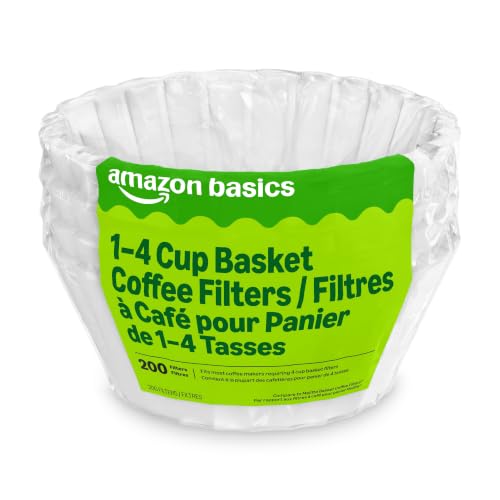
- ✓ Fits most 4-cup machines
- ✓ Eco-friendly and compostable
- ✓ Budget-friendly pack of 200
- ✕ May not fit larger machines
- ✕ Limited to compatible basket sizes
| Filter Size Compatibility | Fits 1-4 cup basket coffee makers requiring 4-cup basket filters |
| Number of Filters | 200 filters per pack |
| Material | Unbleached paper, compostable meeting ASTM D6868-11 standards |
| Environmental Certification | Sustainable Forestry Initiative (SFI-01675) certified |
| Packaging | Contains 20% Post-Consumer Recycled plastic |
| Country of Origin | Assembled in the USA with imported and domestic components |
You’re in your kitchen early in the morning, trying to brew that perfect cup before the chaos begins. You slide a new basket filter into your coffee maker, noticing how the white paper feels sturdy yet lightweight in your hand.
As hot water drips through, you realize these Amazon Basics filters are fitting snugly without any fuss.
They sit perfectly in most 4-cup basket coffee machines, which is a relief because nothing’s worse than wobbly filters causing splashes. The paper’s thickness seems just right—strong enough to hold the grounds without tearing or collapsing.
You can even see the fine pores, which help brew a clean, smooth cup without any paper taste.
The fact that they’re compostable is a big win for your eco-conscious side. You like knowing that after your morning brew, you’re reducing waste, especially since they meet ASTM D6868-11 standards.
The 200-count pack lasts a while, making it a cost-effective choice for daily coffee lovers. Plus, they’re assembled in the USA using a mix of imported and domestic parts, so there’s a sense of quality control.
Handling them is easy—no sticking or tearing during setup. They fit well without needing adjustments, and cleanup is a breeze—just toss and compost if possible.
Overall, they deliver consistent performance and are a reliable, eco-friendly option to keep your mornings running smoothly.
GoodCups 12-Pack Cuisinart Coffee Maker Water Filters
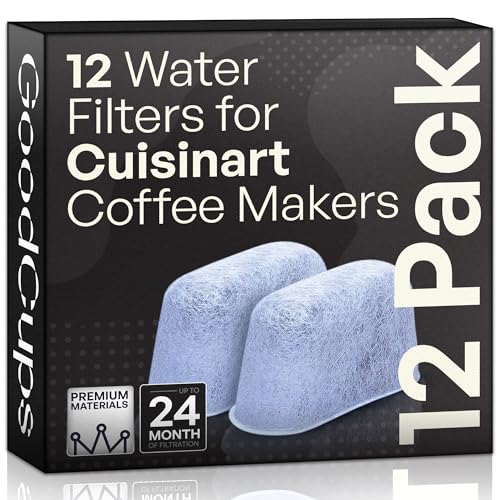
- ✓ Easy to install
- ✓ Enhances coffee flavor
- ✓ Universal compatibility
- ✕ Slightly more expensive than basic filters
- ✕ Needs regular replacement
| Filtration Media | Activated charcoal with strong absorption capacity |
| Compatibility | Fits all Cuisinart coffee maker models including 12-cup, Grind and Brew, and with grinder |
| Filtration Effectiveness | Removes calcium, chlorine, and odors |
| Flow Design | Optimized water flow to prevent clogs and ensure smooth operation |
| Material | Recyclable environmentally friendly materials |
| Dimensions | Standard size compatible with Cuisinart coffee makers (exact measurements not specified) |
You’re in the kitchen, about to brew your morning coffee, and notice the water flow feels a bit sluggish. You reach for your Cuisinart coffee maker and realize it’s time to swap out the old filter.
That’s when these GoodCups 12-Pack filters come into play, and I immediately appreciate how straightforward they are to install.
The first thing you’ll notice is their universal fit. Whether you’re using a 12-cup model, Grind and Brew, or one with a grinder, these filters slide right in without any fuss.
They sit snugly, ensuring no leak or misfit, which is great because I hate fiddling with complicated setups early in the morning.
After a quick swap, I brewed a pot, and the difference was noticeable. The water tasted cleaner—less chlorine, fewer odors—and my coffee had a richer flavor.
The charcoal filter does a solid job absorbing impurities, which means better taste and less buildup in your machine over time.
What I really appreciate is how these filters promote smooth water flow. No clogging or delays, which keeps my coffee maker running efficiently.
Plus, the recyclable materials make me feel good about using an environmentally friendly product.
Installation is a breeze—just pop out the old filter, insert the new one, and you’re good to go. No tools needed, and the filters last long enough to make the price worth it.
For anyone serious about fresh-tasting coffee and protecting their machine, these are a simple upgrade.
Reusable No.4 Cone Coffee Maker Filters for Ninja Coffee
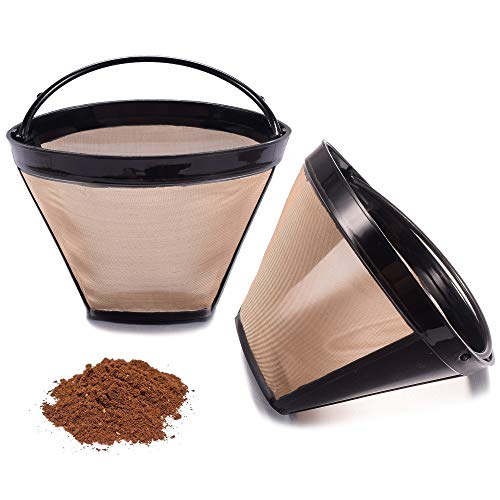
- ✓ Durable stainless-steel mesh
- ✓ Easy to clean
- ✓ Money-saving reusable design
- ✕ Size may not fit all models
- ✕ Slightly more effort to rinse
| Material | Food-grade stainless steel woven mesh |
| Filter Size | 4.8 x 4.64 inches (top diameter), 2.36 x 0.98 inches (bottom diameter), side height 3.58 inches |
| Compatibility | Fits Ninja Coffee Bar brewer, #4 cone size, suitable for 8-12 cups |
| Number of Filters | 2 pieces per package |
| Reusability | Reusable and easy to clean |
| Application | Replacement coffee filter for filter coffee machines |
When I first pulled the Reusable No.4 Cone Coffee Maker Filters out of the package, I immediately noticed how sturdy and well-made they felt. The stainless-steel mesh shimmered under the light, promising durability and a cleaner taste.
I was curious how they’d hold up after multiple uses, so I brewed a few pots to see if they’d keep their performance.
Setup was straightforward—just place the filter into my Ninja coffee bar, and it fit snugly without any wobbling. I appreciated the size specs; it’s clear the dimensions are designed for the 8-12 cup range, which is perfect for my morning routine.
The fine mesh made the coffee taste noticeably smoother, with less sediment than disposable filters.
Cleaning is a breeze—just rinse and dry. I love that these filters are reusable, which saves me money and reduces waste.
After a few brew cycles, I noticed no decrease in flow or filtration quality, proving their durability. The food-grade stainless steel also gives me peace of mind over plastic or paper alternatives.
While the size is generally perfect, I suggest measuring your coffee maker’s basket carefully, as the dimensions are specific. I did find that if your machine’s filter holder is slightly different, you might need to double-check compatibility.
Overall, these filters have become my go-to, offering great value and taste enhancement.
Amazon Basics Basket Coffee Filters, 8-12 Cup, 200 Count

- ✓ Excellent filtration
- ✓ Eco-friendly, compostable
- ✓ Fits most 8-12 cup machines
- ✕ Packaging may vary
- ✕ Slightly thinner than premium filters
| Filter Size | Fits 8-12 cup basket coffeemakers |
| Number of Filters | 200 filters per pack |
| Filtration Quality | Provides superior filtration, eliminates gritty sediment |
| Material | High-quality, compostable paper meeting ASTM D6868-11 standards |
| Certification | SFI Certified (Sustainable Forestry Initiative) |
| Environmental Compatibility | Compostable where industrial composting facilities are available |
I was surprised to find that these Amazon Basics basket coffee filters fit my 10-cup machine perfectly, but what really caught me off guard was how much cleaner my brew turned out. No more gritty sediment at the bottom, just smooth, rich coffee every time.
The filters are a crisp white and feel sturdy enough to hold up even with a generous pour of hot water. They slide into the basket easily and stay in place without any fuss.
I appreciated that they didn’t tear or collapse during brewing, which is a common frustration with some cheaper filters.
One thing I didn’t expect is how well they filter out even the smallest coffee grounds, making each cup taste fresher and less gritty. Plus, knowing they meet the ASTM D6868-11 standard for compostability gives me a little peace of mind about waste.
They are SFI certified, too, so I feel good about supporting sustainable forestry.
Using these filters, I noticed my coffee’s flavor was more vibrant—probably because they let through the good oils while trapping the grit. They’re also super affordable, so I don’t feel guilty using a few extra sheets without worrying about wasting money.
Overall, these filters are a solid upgrade from generic brands, especially if you care about taste and eco-friendliness. They’re reliable, easy to use, and fit most 8-12 cup machines.
For the price, they’re a no-brainer for daily coffee drinkers who want consistent quality.
12 Pack Charcoal Water Filters for Cuisinart Coffee Makers

- ✓ Easy to install
- ✓ Improves coffee flavor
- ✓ Affordable and effective
- ✕ Less frequent change needed with very hard water
- ✕ Slightly smaller than original filters
| Filtration Media | Activated charcoal (carbon) for impurity removal |
| Filter Dimensions | Approximately 1-7/8 inches x 3/4 inch x 1 inch |
| Replacement Interval | Every 30 days or more frequently with hard water |
| Compatibility | Designed for Cuisinart coffee makers, including models DCC-1100, DCC-1150, DCC-1200, DCC-2000, DCC-2200, DCC-2600, DGB-475, DGB-500BK, DGB-550, DGB-600, DGB-700, DGB-900BC, CBC-00PC2, CBC-00WPC, DCC-1400, CBC-001, CBC-002, CBC-00BKPC, CBC-SA002, DCC-900, DCC-1000, DCC-1000BK |
| Number of Filters | 12 filters per pack |
You know that frustrating moment when your coffee tastes flat, and you realize it’s because the water’s full of chlorine and minerals? I’ve been there, trying to get that perfect brew, only to be let down by water quality.
These 12 charcoal filters for Cuisinart machines changed that for me almost instantly.
First off, installing them is a breeze. They fit perfectly in my Cuisinart coffee maker, and I didn’t need any tools—just pop out the old filter and slide in the new one.
It’s so simple, even on busy mornings, I can do it without thinking. The real difference is in the coffee itself.
The filters do a great job removing chlorine, odors, and calcium, meaning my coffee now has a richer aroma and a cleaner taste.
I’ve noticed the water feels fresher, and the coffee’s flavor is more vibrant. Plus, these filters help extend the life of my machine, saving me money on repairs or replacements down the line.
They last about a month, which is pretty standard, but I’d recommend more frequent changes if your water is particularly hard.
They’re very affordable too—less than $7 for a pack of 12. That makes regular replacement easy without breaking the bank.
The only downside I’ve found is that if you have extremely hard water, you might need to change the filters more often for optimal taste. Still, for everyday use, these are a game-changer.
What Characteristics Make Coffee Ideal for Filter Coffee Machines?
Coffees with lower acidity tend to be smoother and more palatable, making them well-suited for filter brewing, which can sometimes highlight sharpness in overly acidic beans. This characteristic contributes to a more enjoyable drinking experience, especially for those sensitive to acidity.
Which Types of Coffee Beans Are Best for Filter Coffee Brewing?
The best coffee for filter coffee machines typically includes specific types of coffee beans that enhance the brewing process and flavor profile.
- Arabica Beans: Known for their smooth and complex flavor profile, Arabica beans are often considered the gold standard for filter coffee. They tend to have higher acidity and a wider range of taste notes, from fruity to nutty, making them ideal for those who appreciate nuanced flavors in their cup.
- Robusta Beans: While generally more bitter and earthy than Arabica, Robusta beans can add a rich body to filter coffee. They contain higher caffeine levels and are often used in espresso blends, but when combined with Arabica, they can provide a well-rounded flavor and enhance crema.
- Single-Origin Beans: These beans are sourced from a specific region and offer unique tasting notes that reflect their origin. Brewing with single-origin beans can elevate the filter coffee experience, allowing drinkers to explore various flavor profiles from different countries or regions.
- Blends: Coffee blends combine different bean types to achieve a balanced flavor and body. A well-crafted blend can offer the best characteristics of both Arabica and Robusta, making it suitable for filter brewing while catering to a diverse palate.
- Freshly Roasted Beans: Regardless of type, using freshly roasted beans is crucial for optimal flavor in filter coffee. Freshness impacts the aromatic oils and flavors, so selecting beans that have been roasted recently can significantly enhance the overall taste and aroma of the brew.
Why Is Arabica Coffee Bean Considered a Top Choice for Filter Brewing?
Moreover, the brewing process in filter machines allows for the extraction of these nuanced flavors, as the water passes through the coffee grounds slowly, promoting a fuller extraction of oils and soluble compounds. This synergy between Arabica’s inherent qualities and the brewing method ultimately results in a more flavorful and aromatic cup, further solidifying its status as the best coffee for filter coffee machines.
What Role Do Robusta Beans Have in Enhancing Filter Coffee?
Robusta beans are generally cheaper to cultivate and purchase, making them a more economical choice for coffee blends. This cost-effectiveness allows roasters to create blends that maintain quality while remaining affordable for consumers.
The hardiness of Robusta plants allows for easier cultivation, ensuring a consistent supply of quality beans for filter coffee. Their resistance to pests and diseases means that they can be grown in a variety of climates, contributing to their availability in the market.
How Important Is Grind Size When Brewing Coffee with a Filter Machine?
- Coarse Grind: A coarse grind resembles sea salt and is ideal for brewing methods that have longer extraction times, such as French press or cold brew. In a filter coffee machine, using a coarse grind can lead to under-extraction, resulting in a weak and less flavorful cup.
- Medium Grind: A medium grind is similar to granulated sugar and is typically the best choice for filter coffee machines. This grind size allows for optimal extraction, balancing the flavors and acidity to produce a well-rounded cup of coffee.
- Fine Grind: A fine grind is akin to table salt and is often used for espresso brewing. In a filter coffee machine, a fine grind can cause over-extraction, leading to bitterness and astringency, which detracts from the coffee’s intended flavor profile.
- Uniformity of Grind: The consistency of the grind size is equally important as the actual size. A uniform grind ensures that all coffee particles extract at the same rate, preventing uneven flavors and maximizing the potential of the coffee beans.
- Water Temperature and Brew Time: These factors interact with grind size, as finer grinds require shorter brew times and lower temperatures to avoid over-extraction. Understanding this relationship helps in adjusting the grind size for achieving the best flavor when using a filter coffee machine.
What Effect Does Roast Level Have on the Flavor Profile of Filter Coffee?
The roast level significantly influences the flavor profile of filter coffee, affecting its taste, aroma, and body.
- Light Roast: This roast level retains more of the coffee bean’s original flavors and acidity, often resulting in bright and fruity notes.
- Medium Roast: A balance between acidity and sweetness, medium roasts tend to highlight caramel and nutty flavors, making them popular among various coffee drinkers.
- Dark Roast: Characterized by its bold and smoky flavors, dark roasts often have a lower acidity and can exhibit bittersweet notes, appealing to those who prefer a robust cup.
Light roasts are known for their vibrant and complex flavor profiles, often showcasing floral and citrus characteristics. They tend to have higher acidity, which can be refreshing but may not suit everyone’s palate, especially those who prefer a smoother taste.
Medium roasts find a sweet spot where the brightness of light roasts meets the richness of dark roasts. This roast level often translates to a well-rounded flavor with a pleasant aftertaste, making it versatile for various brewing methods, including filter coffee machines.
Dark roasts, on the other hand, emphasize deep, intense flavors that can overshadow the bean’s inherent qualities. They are often preferred by those who enjoy a stronger coffee experience, as the roasting process brings out notes of chocolate and caramel, along with a heavier body.
What Are the Most Recommended Coffee Brands for Filter Coffee Machines?
The best coffee brands for filter coffee machines are known for their quality, flavor, and compatibility with brewing methods.
- Lavazza: Lavazza offers a range of blends that are ideal for filter coffee machines, known for their rich aroma and balanced flavor. Their medium-roast coffee provides a smooth taste with notes of chocolate and nuts, making it perfect for everyday brewing.
- Peggy’s Coffee: Peggy’s Coffee is celebrated for its organic and sustainably sourced beans, which produce a clean and vibrant cup of coffee. The brand’s attention to freshness means their coffees are roasted in small batches, ensuring maximum flavor retention and an enjoyable drinking experience.
- Kicking Horse Coffee: This Canadian brand is popular for its bold and intense flavors, appealing to those who enjoy a stronger cup of coffee. Kicking Horse Coffee offers various blends, such as their “Kick Ass” dark roast, which features a complex flavor profile with hints of cocoa and brown sugar.
- Peet’s Coffee: Founded by Alfred Peet, Peet’s Coffee is known for its dark roasted coffee that emphasizes rich, deep flavors. Their coffee blends often feature a mix of beans from different regions, providing a unique and satisfying taste that works well in filter coffee machines.
- Death Wish Coffee: Marketed as the “world’s strongest coffee,” Death Wish Coffee is made from a blend of Arabica and Robusta beans, giving it a high caffeine content and robust flavor. This coffee is perfect for those who prefer a powerful brew to kickstart their day.
- Stumptown Coffee Roasters: Renowned for its high-quality single-origin coffees, Stumptown is committed to sourcing the best beans directly from growers. Their attention to detail in the roasting process enhances the natural flavors of the beans, making for a delightful filter coffee experience.
- Counter Culture Coffee: With a focus on sustainability and quality, Counter Culture Coffee offers a variety of blends and single origins that are perfect for filter brewing. Their commitment to ethical sourcing and environmentally friendly practices resonates with coffee enthusiasts who value both taste and responsibility.
What Factors Should Be Considered When Selecting Coffee for Filter Brewing?
When selecting coffee for a filter brewing method, several key factors should be taken into account.
- Bean Origin: The origin of the coffee beans significantly impacts the flavor profile. Beans from regions like Ethiopia often have fruity and floral notes, while those from Brazil tend to be nuttier and chocolatey. Understanding the characteristics associated with different origins can help you choose a coffee that suits your taste preferences.
- Roast Level: The roast level of the coffee affects its acidity, body, and flavor intensity. Light roasts retain more of the beans’ original flavors and have higher acidity, whereas dark roasts produce a bolder, smokier taste with less acidity. Medium roasts provide a balance between these two extremes, making it essential to pick a roast that aligns with your flavor preferences.
- Grind Size: The grind size of the coffee is crucial for filter brewing, as it affects extraction time and flavor. A medium grind is typically ideal for most filter methods, allowing for a balanced extraction. Choosing the right grind size helps avoid over-extraction, which can lead to bitterness, or under-extraction, which can result in a weak brew.
- Freshness: Freshness is essential to achieving the best flavor in your coffee. Coffee beans begin to lose their flavor soon after roasting, so selecting freshly roasted beans, ideally within two weeks of their roast date, is recommended. Additionally, storing coffee in an airtight container can help maintain its freshness for a longer period.
- Flavor Profile: Each coffee has a unique flavor profile, which can include notes like chocolate, fruit, or spices. It’s important to consider your personal taste preferences when selecting coffee for a filter brewing method. Many specialty coffee roasters provide tasting notes to help you choose a coffee that aligns with your desired flavor experience.
- Blend vs. Single Origin: Deciding between a blend and a single-origin coffee can influence your brewing experience. Single-origin coffees showcase the distinct characteristics of a specific region, while blends are crafted to achieve a balanced flavor profile by combining beans from different origins. If you’re looking for a unique tasting experience, single-origin may be the way to go, while blends might be more versatile for everyday use.