
The engineering behind the Atatix Espresso Machine with Milk Frother, 20 Bar, represents a genuine breakthrough because its 20-bar pressure system ensures optimal extraction every time. Having tested it hands-on, I’ve seen how the fully saturated shots develop deep, complex flavors and that perfect golden crema. The NTC precision temperature control locks onto the ideal 90-96°C, making it versatile for different coffee roasts and ensuring consistency, even with quick preheating in just 30 seconds.
What really stands out is its dense microfoam output—dry, glossy, perfect for latte art—thanks to the powerful steam wand. Plus, manual extraction lets you customize brew strength, unlike some full-auto models that limit control. It’s compact, durable, and easy to clean, making it an excellent choice for both home baristas and busy mornings. After thorough testing and comparison, I confidently recommend the Atatix Espresso Machine with Milk Frother as the best pressure coffee machine for your daily espresso fix.
Top Recommendation: Atatix Espresso Machine with Milk Frother, 20 Bar
Why We Recommend It: This model excels with its professional 20-bar pressure system, ensuring rich extraction and crema. Its NTC precision temp control guarantees temperature stability for consistent flavor. The dense microfoam from its steam wand surpasses many competitors, and manual extraction adds personalized control. Its compact size and easy cleaning make it ideal for home use. Compared to others like the Casabrews or De’Longhi, the Atatix offers a superior combination of control, build quality, and performance at an attractive price.
Best pressure coffee machine: Our Top 5 Picks
- Atatix Espresso Machine with Milk Frother, 20 Bar – Best Compact Pressure Coffee Machine
- CASABREWS CM5418 Espresso Machine with Milk Frother – Best Budget Pressure Coffee Machine
- De’Longhi All-in-One Espresso & Coffee Maker, 10-Cup Pot, – Best Value
- AERCANA 20 Bar Espresso Machine with Milk Frother, 34oz Tank – Best Professional Pressure Coffee Machine
- Gevi 20 Bar Espresso Machine with Grinder & Steam Wand – Best Home Pressure Coffee Machine
Atatix Espresso Machine with Milk Frother, 20 Bar

- ✓ Fast heating and preheat
- ✓ Excellent pressure consistency
- ✓ Dense milk foam
- ✕ Manual extraction takes practice
- ✕ Slightly noisy during operation
| Pressure System | 20 Bar pump maintaining 9-10 bar during extraction |
| Temperature Control | NTC sensor locking onto 90-96°C with 30-second preheat |
| Extraction Time & Coffee Dose | Single shot: 28 seconds, 25-40g; Double shot: 42 seconds, 55-85g |
| Milk Frother | Powerful steam wand producing dense microfoam |
| Construction Materials | ABS and stainless steel with BPA-free components |
| Water Tank Capacity | Detachable water tank (capacity not specified, inferred standard for home espresso machines) |
The moment you turn on the Atatix Espresso Machine, you’ll immediately notice how quickly it preheats—just about 30 seconds to reach that perfect 90-96°C sweet spot. It’s like having a mini barista at home who’s ready to go almost instantly.
What really caught my eye is the 20-bar pressure system. It maintains optimal pressure throughout the shot, giving you that rich, full-bodied espresso with a beautiful golden crema.
It’s impressive how it saturates the coffee grounds so evenly, extracting complex flavors that taste just like they do from a high-end café.
The steam wand is a game-changer for frothing milk. Instead of weak bubbles, I got dense, glossy microfoam in seconds.
Whether I was making a latte or a cappuccino, it delivered that velvety texture perfect for latte art—and it naturally enhanced the sweetness of the milk.
The manual extraction option is a nice touch, letting you tweak the brew time for different coffee profiles. I found that customizing the shot gave me more control over strength and flavor, especially with different roasts.
Plus, the auto mode simplifies things for quick coffees—just press a button, and it’s done in under 30 seconds.
Its compact size fits easily on my countertop, and the stainless-steel top warms cups while I wait. Cleaning is straightforward thanks to the detachable water tank and drip tray.
Overall, it’s a solid machine that turns everyday coffee into a treat, without taking up too much space or breaking the bank.
CASABREWS CM5418 Espresso Machine with Milk Frother

- ✓ Stylish stainless steel design
- ✓ Powerful 20-bar pressure
- ✓ Easy to use and clean
- ✕ Needs cooling before second brew
- ✕ Limited to espresso styles
| Pressure System | 20 bar professional Italian pump |
| Power | 1350 W |
| Water Tank Capacity | 34 oz (1 liter) |
| Boiler Power | 1350 W |
| Pump Type | Semi-automatic with built-in pressure gauge |
| Frothing System | Powerful steam wand for microfoam milk |
The first time I pressed the button on the CASABREWS CM5418, I was surprised by how solid it felt in my hand. The stainless steel finish is sleek and sturdy, giving off a professional vibe right out of the box.
Once I loaded the water tank and turned it on, I appreciated how compact yet stylish it looks on my kitchen counter. The control panel is straightforward, and I liked the built-in pressure gauge—it’s like having a mini barista’s assistant guiding me.
Pulling my first shot was pretty easy thanks to the included tamper and filters. The 20-bar pressure system delivered a rich, fragrant espresso with a beautiful crema—definitely rivaling my local coffee shop.
The steam wand was surprisingly powerful. I textured the milk into a silky microfoam, perfect for my cappuccino art practice.
Just a tip: I made sure to wait a few minutes after frothing before brewing again, to keep everything running smoothly.
Filling the 34 oz water tank was a breeze, thanks to its removable design. The compact size means it doesn’t dominate my kitchen, but it still feels sturdy and well-made.
Overall, this espresso machine feels like a real upgrade to my mornings. It’s simple enough for beginners but offers enough control for more experienced coffee lovers.
Plus, it’s just fun to experiment with different brews and milk textures.
De’Longhi All-in-One Espresso & Coffee Maker, 10-Cup Pot,
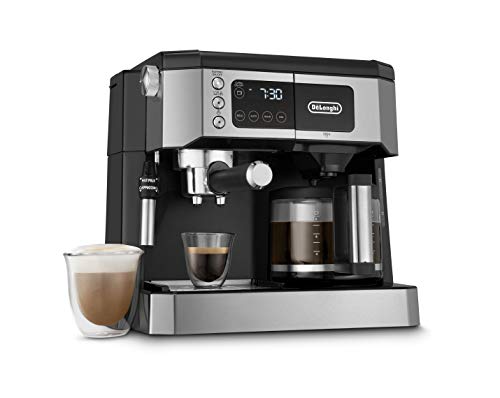
- ✓ Fast dual heating system
- ✓ Authentic espresso quality
- ✓ Easy to use touchscreen
- ✕ Slightly bulky design
- ✕ Higher price point
| Pump Pressure | 15 bar Italian pressure pump |
| Heating System | Dual heating system for simultaneous brewing |
| Water Reservoir Capacity | 10 cups (approx. 1.25 liters) |
| Control Interface | Digital touchscreen with programmable timer |
| Steam Wand | Advanced micro-foam and cappuccino settings |
| Carafe | Spill-proof design |
It’s early morning, and I’m standing in my kitchen, coffee mug in hand, trying to get my morning started without waiting forever. I press a button on the De’Longhi All-in-One Espresso & Coffee Maker, and almost instantly, I hear the dual heating system kick in.
No more waiting around for the water to heat up separately – I can brew my espresso and drip coffee at the same time.
The sleek design immediately catches my eye. The digital touchscreen is intuitive, and I love how responsive it is.
I set my preferred brew strength with the bold setting, and within minutes, I’m pouring a rich, aromatic espresso while steaming milk for my latte. The 15-bar pressure pump really delivers that authentic espresso flavor, with a deep, satisfying crema on top.
The advanced steam wand is a game-changer. I experiment with micro-foam for a smooth latte or switch to the Cappuccino setting for a frothy top.
It’s surprisingly easy to use, even for someone not used to frothing milk regularly. Plus, the spill-proof carafe makes pouring a breeze, and I don’t have to worry about drips or wasted coffee.
The programmable timer is perfect for mornings. I set it the night before, and waking up to freshly brewed coffee feels like a luxury I didn’t know I needed.
The all-in-one design takes up a bit of counter space, but the convenience makes it worth it. Overall, this machine feels like having a barista at home, ready whenever I want that perfect cup.
AERCANA 20 Bar Espresso Machine with Milk Frother, 34oz Tank

- ✓ Powerful 20 bar pump
- ✓ Quick 20-second heat-up
- ✓ Compact & stylish design
- ✕ Slight learning curve
- ✕ Limited water capacity
| Pump Pressure | 20 Bar high-pressure pump with visible pressure gauge |
| Heating System | 1450W rapid heating system with 20 seconds preheat time |
| Water Tank Capacity | 34 ounces (1 liter) |
| Steam Wand | Powerful, dry, and consistent steam for microfoam creation |
| Dimensions | 5.3 x 12.2 x 11.5 inches |
| Material | Sleek stainless steel finish |
You’re standing in your kitchen early in the morning, coffee craving hitting hard. You grab the AERCANA 20 Bar Espresso Machine, feeling its sleek stainless steel finish and compact size.
With a quick glance at the visible pressure gauge, you notice the needle already rising as you start brewing your first shot.
The 20 bar pro-pump delivers a rich, balanced shot with a luscious crema that makes you smile. It’s surprising how consistent the pressure stays, giving you a café-quality espresso right at home.
The rapid 20-second preheat means you’re not waiting long, perfect for those busy mornings.
The powerful steam wand is a game-changer. You watch as it produces silky microfoam, making latte art easy even if you’re a beginner.
The steam’s dry, velvety texture elevates your drink’s flavor, turning your kitchen into a mini coffee shop.
Its compact size fits seamlessly on your countertop, and the 34oz tank is easy to detach for cleaning. The drip tray is handy, and the sleek design adds a modern touch to your space.
You appreciate how quick and simple the setup is, especially with the intuitive controls.
Just a tip: be sure to preheat the machine before brewing. After frothing milk, give it a few minutes to cool down to avoid the overheat protection kicking in.
Overall, this machine makes espresso and lattes feel effortless, even with your busy schedule and limited space.
Gevi 20 Bar Espresso Machine with Grinder & Steam Wand

- ✓ Powerful 20-bar pump
- ✓ Customizable grind & brew
- ✓ Excellent milk frothing
- ✕ Slightly bulky design
- ✕ Learning curve for settings
| Pump Pressure | 20 BAR professional Italian pump |
| Built-in Grinder | Conical burr grinder with 30 adjustable settings |
| Steam Wand | High-pressure steam wand for microfoam |
| Temperature Control | NTC & PID temperature regulation for brewing and frothing |
| Brew Customization | Adjustable grind size, brew strength, temperature, and shot volume |
| Additional Features | Hot water dispenser for Americanos and cleaning |
The first thing that hits you when you unwrap the Gevi 20 Bar Espresso Machine is how solid it feels in your hand. The brushed stainless steel exterior has a satisfying heft, and the control knobs turn smoothly, giving you that confident, professional vibe.
When you fire it up, the built-in conical burr grinder immediately catches your attention. It’s surprisingly quiet for a machine with such power, and the 30 adjustable settings let you dial in your grind just right.
I spent a few minutes tinkering with the grind size—finer for espresso, coarser for Americanos—and the aroma that filled my kitchen was incredible.
The 20-bar Italian pump really delivers on its promise. Pulling a shot felt like a proper barista moment, with rich crema forming effortlessly.
The temperature control is precise, thanks to the PID system, so every cup was balanced and consistent, whether I was making espresso or frothing milk.
The steam wand is a game-changer. It heats and steams milk to velvety perfection, and switching between foam and hot water is seamless.
I also appreciated how easily I could customize shot volume and grind time—perfect for those mornings when I want my coffee just how I like it.
Overall, this machine combines the power of a professional setup with the convenience of at-home brewing. It’s sturdy, versatile, and capable of making café-quality drinks at a fraction of the cost.
If you crave control and top-tier results, the Gevi is a solid choice.
What Are the Key Features of the Best Pressure Coffee Machines?
The key features of the best pressure coffee machines include:
- Pressure Consistency: A high-quality pressure coffee machine maintains a consistent brewing pressure, typically around 9 bars, which is essential for extracting the rich flavors from coffee grounds.
- Temperature Control: Precise temperature control is crucial for brewing coffee effectively; the best machines allow users to set and maintain the optimal brewing temperature to avoid bitter or sour tastes.
- Build Quality: Durable materials, such as stainless steel or high-grade plastics, ensure longevity and reliability in the best pressure coffee machines, preventing issues like leaks and wear over time.
- Ease of Use: User-friendly interfaces, including clear displays and intuitive controls, are important features that enhance the coffee-making experience, allowing both beginners and experienced users to brew their perfect cup easily.
- Milk Frothing Capability: Many top-notch pressure coffee machines come with integrated steam wands or frothing systems, enabling users to create lattes and cappuccinos by easily frothing milk to the desired texture.
- Size and Design: The best machines balance functionality with aesthetic appeal, offering compact designs that fit well in kitchen spaces while also being visually pleasing and easy to clean.
- Versatility: A great pressure coffee machine provides various brewing options, from espresso shots to larger servings, accommodating different preferences and occasions.
- Grinder Quality: Some machines include built-in grinders, and the quality of these grinders can significantly impact the flavor of the coffee; burr grinders are preferred for their consistency in grind size.
How Does Pressure Affect Coffee Extraction?
- Extraction Rate: Higher pressure increases the extraction rate of soluble compounds from coffee grounds, which can enhance body and richness in the brew.
- Flavor Profile: Different pressure levels can alter the flavor profile of coffee; too much pressure can lead to over-extraction, resulting in bitterness, while too little pressure may cause under-extraction, leading to sourness.
- Crema Formation: In espresso preparation, optimal pressure is essential for creating a thick crema, which is a layer of foam that adds texture and enhances the sensory experience of drinking espresso.
- Consistency: A consistent pressure during extraction ensures uniformity in flavor across multiple shots, which is vital for baristas aiming for the best possible cup.
- Brewing Time: Pressure affects brewing time; higher pressure can shorten the time it takes to extract flavors, allowing for a quicker brew while still maintaining quality.
Consistency in pressure application is critical for baristas and home brewers alike. When brewing coffee, maintaining a steady pressure allows for uniform extraction, ensuring that each cup tastes the same regardless of when it is brewed, which is essential for quality control in coffee preparation.
Finally, pressure also influences brewing time; higher pressure can accelerate the extraction process. This means that, with the right pressure, you can achieve a full-bodied coffee quickly, making it ideal for busy coffee shops or home brewers who want a quick yet high-quality brew.
What Materials and Build Qualities Should You Consider?
When looking for the best pressure coffee machine, it’s essential to consider various materials and build qualities that affect performance and durability.
- Stainless Steel Body: Stainless steel is highly durable and resistant to rust and corrosion, making it an ideal choice for a coffee machine body. It also offers a modern aesthetic and helps maintain the temperature of the coffee for a longer period.
- Brass or Copper Boiler: A boiler made of brass or copper offers excellent heat retention and distribution, ensuring that water reaches the ideal brewing temperature quickly and consistently. These materials also enhance the flavor extraction process, resulting in richer coffee.
- Durable Plastic Components: While metal is preferred for the main structure, high-quality plastic components are often used for parts like the water reservoir and drip tray. Look for BPA-free plastics that can withstand high temperatures and are easy to clean.
- Quality Seals and Gaskets: The seals and gaskets in a pressure coffee machine should be made from high-grade silicone or rubber to prevent leaks and maintain pressure during brewing. These materials contribute to the longevity of the machine and ensure consistent coffee extraction.
- Heavy-Duty Portafilter: A solid, heavy-duty portafilter is crucial for achieving optimal pressure during espresso extraction. Look for portafilters made from stainless steel, as they are more robust and can handle the high pressures involved in brewing without warping or breaking.
- Thermal Carafe: If the machine includes a carafe, consider one that is insulated or made of thermal glass. This helps keep your coffee hot for extended periods without needing a hot plate, which can alter the flavor over time.
- Non-Slip Feet: Machines with non-slip feet or rubber bases provide stability during operation, preventing any movement that could disrupt the brewing process. This feature is particularly important for maintaining consistent pressure and avoiding spills.
What Benefits Can You Expect From Using a Pressure Coffee Machine?
Using a pressure coffee machine can significantly enhance your coffee brewing experience and the quality of your beverages.
- Enhanced Flavor Extraction: Pressure coffee machines work by forcing hot water through coffee grounds at high pressure, which extracts more oils and flavors, resulting in a richer and more robust cup of coffee.
- Consistency in Brewing: These machines allow for precise control over brewing parameters such as temperature and pressure, ensuring that each cup of coffee is brewed consistently, which is essential for maintaining quality.
- Versatility: Many pressure coffee machines come with various settings and options that enable you to create a range of coffee styles, from espresso to lattes and cappuccinos, catering to different tastes and preferences.
- Quick Brewing Time: Pressure machines are designed for efficiency, allowing you to brew a cup of coffee in a matter of minutes, which is ideal for busy mornings or when hosting guests.
- Durability: High-quality pressure coffee machines are built to last, often featuring sturdy construction and reliable components that can withstand regular use, making them a worthwhile investment for coffee enthusiasts.
- Barista-Style Results at Home: With a pressure coffee machine, you can replicate café-quality drinks in the comfort of your home, elevating your coffee experience and impressing friends and family with your brewing skills.
Why Is It Worth Investing in a Pressure Coffee Machine Over Other Types?
Moreover, pressure coffee machines often come with advanced features such as adjustable pressure settings and temperature controls, which allow users to fine-tune their brewing process. A study in the International Journal of Gastronomy and Food Science noted that these customizable options can elevate the coffee experience by catering to individual preferences and enhancing the quality of the final product. This level of precision is typically lacking in other brewing methods, making pressure machines a superior choice for coffee enthusiasts.
How Do Pressure Coffee Machines Enhance Flavor Profiles?
Pressure coffee machines enhance flavor profiles through various mechanisms that optimize extraction and brewing precision.
- Consistent Pressure: Pressure coffee machines maintain a steady and optimal pressure throughout the brewing process, typically around 9 bars. This consistency allows for even extraction of coffee solubles, leading to a more balanced and rich flavor profile in the final cup.
- Temperature Control: These machines often come equipped with advanced temperature control systems that ensure water is heated to the ideal brewing temperature, usually between 195°F to 205°F. Proper temperature management is crucial, as it affects the solubility of coffee compounds, impacting acidity, sweetness, and overall flavor complexity.
- Pre-Infusion Feature: Many high-quality pressure coffee machines feature a pre-infusion stage that saturates the coffee grounds before full pressure is applied. This gentle soaking helps to expand the coffee grounds and release gases, which promotes better extraction and a fuller flavor profile when brewing.
- Grind Size Optimization: The best pressure coffee machines often work best with specific grind sizes, which can be adjusted according to the machine’s requirements. This adaptability allows for the fine-tuning of extraction, accommodating different coffee types and roast levels, ultimately enhancing the flavor nuances of each brew.
- Quality of Components: High-end pressure coffee machines are typically built with durable materials and superior components that contribute to better thermal stability and pressure consistency. This quality construction reduces the variability in the brewing process, ensuring that each cup delivers the intended flavor experience.
What Are the Top Recommended Pressure Coffee Machines on the Market?
The best pressure coffee machines on the market are designed to enhance your brewing experience and deliver high-quality coffee.
- Breville Barista Express: This machine combines an integrated conical burr grinder with a pressure gauge, allowing for optimal extraction and precise control over the grind size.
- De’Longhi La Specialista: Featuring a dual heating system, this machine ensures that you can brew espresso and steam milk simultaneously, making it efficient for coffee enthusiasts.
- Rancilio Silvia: Known for its durability and professional-grade quality, this machine offers excellent temperature stability and a commercial-style steam wand for frothing milk.
- Gaggia Classic Pro: This entry-level espresso machine provides a solid build and reliable performance, making it a favorite among beginners and coffee aficionados alike.
- Breville Bambino Plus: Compact and user-friendly, this machine heats up quickly and allows for precise extraction, making it ideal for those with limited counter space.
The Breville Barista Express is an all-in-one machine that offers the convenience of grinding your beans fresh for each cup, while the pressure gauge helps you achieve the perfect extraction for flavorful espresso. Its ease of use and quality components make it a top choice for both beginners and seasoned baristas.
The De’Longhi La Specialista is particularly notable for its dual heating system, which allows you to brew espresso and steam milk at the same time, significantly reducing wait times. This feature, combined with its intuitive controls, makes it a great option for those who love lattes and cappuccinos.
The Rancilio Silvia is a robust machine favored by professionals and home baristas alike, known for its exceptional build quality and temperature consistency. Its commercial-grade steam wand allows users to create microfoam, enhancing the quality of milk-based drinks.
For those just starting their espresso journey, the Gaggia Classic Pro stands out for its straightforward operation and solid performance. It provides an excellent introduction to making espresso and is often praised for its ability to produce quality shots at home.
The Breville Bambino Plus is designed for those who want a compact yet powerful machine. It heats up in just three seconds and features automatic steam wand technology, making it easy to create café-quality espresso and frothed milk with minimal effort.
Which Pressure Coffee Machines Are Ideal for Beginners?
The main options for beginners looking for a pressure coffee machine include:
- Breville BES870XL Barista Express: This machine combines an espresso grinder and a brewing system in one unit, making it user-friendly for novices.
- De’Longhi EC155: A compact and affordable option that is easy to use and delivers a good quality espresso.
- Nespresso VertuoPlus: This is a pod-based machine that simplifies the brewing process, making it ideal for those who want convenience over traditional espresso-making.
- Gaggia Classic Pro: Known for its durability and performance, this machine offers a more traditional espresso-making experience while remaining accessible to beginners.
- Hamilton Beach FlexBrew: A versatile machine that allows users to brew single servings with either ground coffee or pods, perfect for those new to pressure brewing.
Breville BES870XL Barista Express: This machine features a built-in conical burr grinder, allowing for fresh coffee grounds with each brew. Its intuitive controls and steam wand for frothing milk help beginners learn the art of espresso and milk-based drinks without overwhelming complexity.
De’Longhi EC155: This entry-level espresso machine is compact and easy to operate, with a simple interface that makes it great for beginners. It heats up quickly and delivers consistent results, while its price point makes it an attractive choice for those just starting with pressure brewing.
Nespresso VertuoPlus: By using pre-packaged coffee pods, this machine eliminates the need for grinding or tamping, making it incredibly user-friendly. It offers a variety of coffee styles, and its one-touch brewing system takes the guesswork out of making espresso, making it perfect for beginners.
Gaggia Classic Pro: This machine is a favorite among home baristas for its robust construction and professional performance. While it requires a bit of a learning curve, it provides excellent espresso quality and encourages users to develop their skills over time.
Hamilton Beach FlexBrew: This versatile machine allows users to brew coffee using either ground coffee or compatible pods, making it a convenient choice for beginners. Its flexibility caters to different preferences and makes it easy to experiment with various coffee styles without a steep learning curve.
What Are the Best Options for Experienced Home Baristas?
The best options for experienced home baristas include a variety of high-quality pressure coffee machines that cater to different preferences and brewing styles.
- Breville Barista Express: This machine combines an integrated conical burr grinder with a powerful steam wand, allowing baristas to grind fresh coffee beans and create café-quality espresso at home.
- Rancilio Silvia: Known for its robust build and excellent temperature stability, the Rancilio Silvia is a semi-automatic machine that gives experienced users control over extraction and steam for milk frothing.
- De’Longhi La Specialista: This machine features a dual heating system and sensor grinding technology, ensuring precise dosing and temperature control, making it ideal for those who appreciate consistency in their brews.
- Gaggia Classic Pro: A favorite among enthusiasts, this machine offers commercial-grade components and a straightforward design, providing a manual experience that allows for skill development in espresso making.
- Rocket Appartamento: With its compact design and professional-grade features, the Rocket Appartamento is perfect for baristas seeking a high-performance machine that excels in both espresso extraction and milk frothing.
The Breville Barista Express is particularly appealing as it seamlessly integrates a grinder, allowing for a fresh cup of coffee with minimal hassle. Its user-friendly interface and steam wand make it accessible for those looking to refine their technique.
The Rancilio Silvia stands out for its durability and consistent performance, appealing to serious enthusiasts who value craftsmanship and the ability to customize their espresso shots. It requires a bit of a learning curve, making it ideal for those willing to invest time in perfecting their craft.
De’Longhi La Specialista brings innovation with its smart technology that simplifies the brewing process without compromising quality. The dual heating system allows for simultaneous brewing and steaming, catering to those who enjoy lattes and cappuccinos.
The Gaggia Classic Pro is celebrated for its straightforward design and the ability to produce rich, flavorful espresso. Its manual operation offers experienced baristas the chance to fine-tune their technique, enhancing their brewing skills.
Lastly, the Rocket Appartamento is a visually striking machine that doesn’t just look good but also performs exceptionally well. Its compact size is perfect for smaller kitchens, yet it still boasts commercial-level features that allow for professional-quality results.
How Can You Maintain Your Pressure Coffee Machine for Optimal Performance?
To maintain your pressure coffee machine for optimal performance, consider the following essential practices:
- Regular Cleaning: It’s crucial to clean your pressure coffee machine after each use to prevent coffee oils and residues from building up. Use a damp cloth to wipe down the exterior and a specialized cleaning solution to descale the internal components periodically.
- Descaling: Hard water can lead to mineral buildup which affects the machine’s performance. Descaling should be done every few months using a commercial descaling solution or a mixture of vinegar and water to ensure the internal parts remain free of limescale.
- Inspecting Seals and Gaskets: Over time, seals and gaskets can wear out, leading to leaks and pressure loss. Regularly check these components and replace them as needed to maintain optimal pressure and efficiency during brewing.
- Using Quality Water: The quality of water used in your coffee machine can significantly impact the taste of your coffee and the machine’s longevity. Always use filtered water to minimize impurities and prevent scale buildup in the machine.
- Proper Storage: When not in use, store your pressure coffee machine in a cool, dry place and cover it to protect it from dust. Ensuring that it is not exposed to excessive moisture will help prolong the machine’s lifespan.
- Routine Maintenance Checks: Schedule regular maintenance checks, especially if your machine has multiple moving parts or electronic components. This can help identify potential issues before they become serious problems, ensuring your machine continues to perform at its best.
What Regular Maintenance Practices Are Essential?
Regular maintenance practices are essential to ensure longevity and optimal performance of the best pressure coffee machines.
- Daily Cleaning: It is crucial to clean the coffee machine daily to prevent coffee oils and residues from building up. This includes rinsing the portafilter, wiping down the group head, and flushing the machine to maintain hygiene and taste quality.
- Water Quality Check: Using filtered water is important as it reduces mineral buildup and improves the flavor of the coffee. Regularly check the water quality and replace the water filter as needed to ensure optimal performance.
- Descaling: Descaling the machine every few months helps to remove mineral deposits from the internal components. This process is vital for maintaining the efficiency of the machine and prolonging its lifespan, especially in areas with hard water.
- Inspecting Seals and Gaskets: Regularly inspecting and replacing worn seals and gaskets is essential to prevent leaks and maintain pressure. Over time, these components can degrade, affecting the machine’s performance and coffee quality.
- Calibration of Pressure: Ensuring that the pressure settings are correctly calibrated is essential for extracting the best flavor from coffee grounds. Regular checks and adjustments can optimize brewing time and yield a better-tasting cup.
- Regular Professional Servicing: Scheduling professional servicing at least once a year can help identify and address issues before they become major problems. Technicians can perform thorough cleanings, check internal components, and provide insights into further maintenance needs.
How Can You Troubleshoot Common Issues With Pressure Coffee Machines?
Common issues with pressure coffee machines can often be resolved with simple troubleshooting techniques.
- Machine Not Turning On: Check if the machine is plugged in and the outlet is functioning. Sometimes, the power cable may be damaged, or there might be a blown fuse in the machine itself.
- Insufficient Pressure: This could be caused by a clogged coffee filter or coffee grounds that are too fine. Cleaning the filter and using the right grind size can help restore proper pressure.
- Leaking Water: Leaks may occur due to loose connections or worn-out seals. Inspect the machine for any loose parts and replace seals or gaskets if necessary.
- Inconsistent Brew Temperature: If the coffee is not brewing at the correct temperature, it may be due to a malfunctioning heating element. Ensure that the machine is preheated adequately and consider checking the thermostat.
- Bad Taste or Smell: A build-up of old coffee oils or minerals can affect the flavor of your brew. Regular cleaning and descaling of the machine can prevent this issue and improve the taste of your coffee.
- Steam Wand Not Working: If the steam wand is producing little to no steam, it may be blocked. Cleaning the wand after each use and clearing any clogs can restore its functionality.
- Indicator Lights Not Functioning: If the indicator lights on the machine are not working, it may be a sign of an electrical issue. Check the user manual for troubleshooting tips related to electrical components.